The deal in short
This is a trade between two NATO navies that runs in both directions. Norway buys submarines designed and built in Kiel by ThyssenKrupp Marine Systems. Germany buys the Naval Strike Missile, or NSM, from Norway's Kongsberg, and the two governments share the work of developing what comes next. The two halves were announced together, and each depends on the other.
How it started: submarines for missiles
In February 2017 the Norwegian government announced it would buy four new submarines from TKMS, based on the German Type 212 design already in service with the German and Italian navies. Alongside that decision came word that Germany would buy the NSM. Prime Minister Erna Solberg said the German navy would take a significant quantity and that the two countries would develop the missile further together, NRK reported. Oslo estimated future missile sales at more than 10 billion kroner, and put the whole submarine package, with weapons, harbor work, training and maintenance, at over 30 billion. Solberg also pointed to Kongsberg's position in submarine combat management systems, where she expected contracts worth billions to follow.
Defense Minister Ine Eriksen Søreide called the submarine choice a binding, long-term partnership covering more than the boats themselves. The German defense site hartpunkt later summed up the arrangement plainly: Germany's submarine sale was linked to buying the NSM and co-funding its development.
The 2021 contracts
The paperwork took four more years. On July 8, 2021, Germany's procurement office, working with Norway's, placed two orders at once, one with TKMS for submarines and one with Kongsberg for missiles. A joint program office for the boats was set up in Kiel and one for the missiles in Bergen.
| Contract | What it covered | Reported value |
|---|---|---|
| Type 212CD submarines (TKMS) | Six identical boats: four for Norway, two for Germany | About 5.5 billion euros, including training and logistics |
| NSM Block 1A (Kongsberg) | Missiles, launchers and support equipment for both navies | About 425 million euros, per Kongsberg |
The announcements didn't say how many missiles the order buys. The German one said only that the system should be ready on the first ships from the middle of the 2020s.
What the NSM is
The NSM is a subsonic anti-ship missile that also hits targets on land. Kongsberg developed it in the early 2000s and delivered it to Norway's armed forces between 2011 and 2015. Naval News reported in 2023 that 13 countries had selected it. Euro-SD reported a weight of 407 kilograms, a top speed of Mach 0.95 and a range of more than 100 nautical miles. Kongsberg pitches it for precision strikes against sea and land targets.
Block 1A is an improved version of the missile Norway had kept in service for about ten years when the contract was signed. Norway uses it to replace older NSMs on its Fridtjof Nansen class frigates.
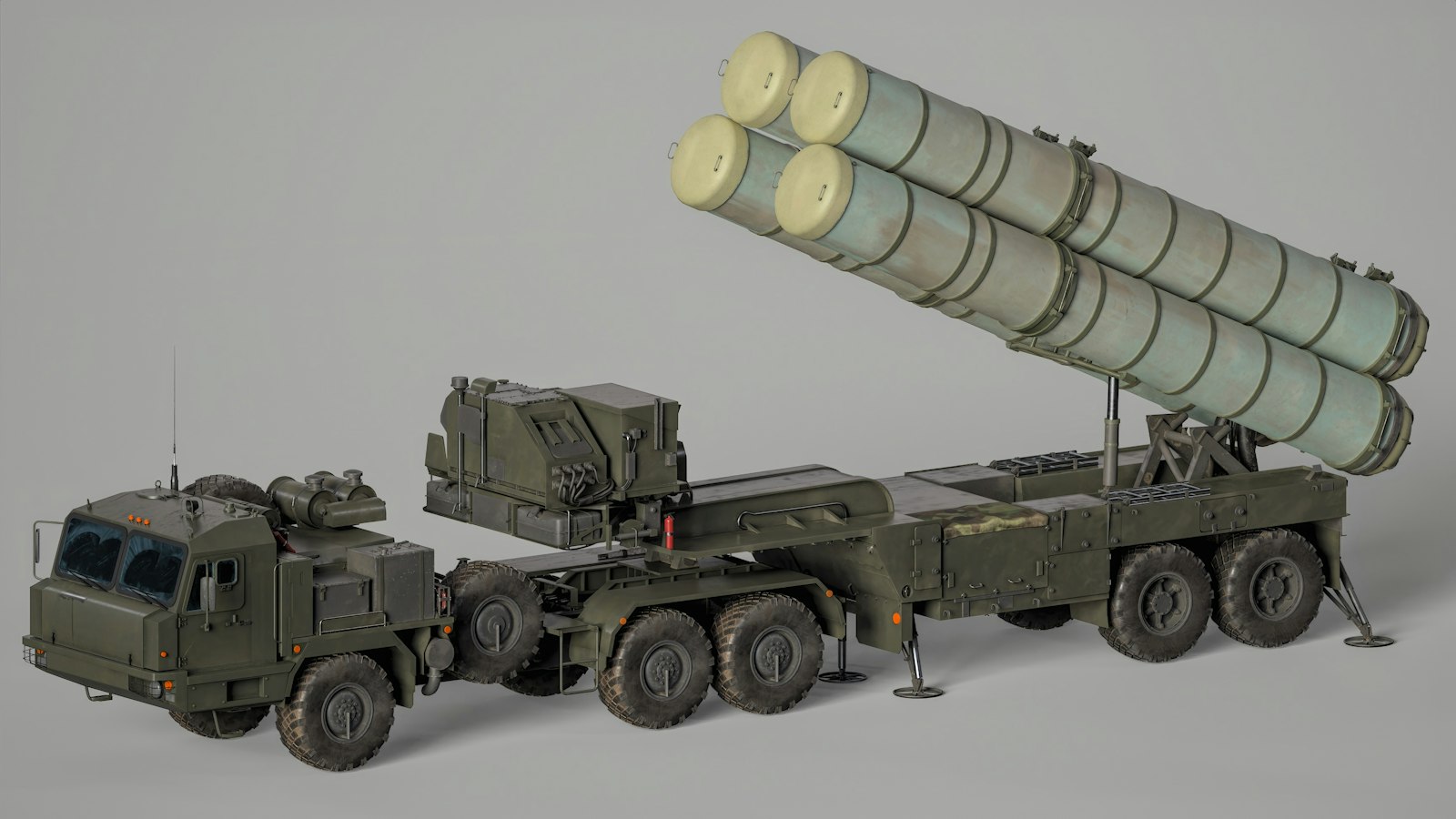
The U.S. Marine Corps uses it too. Its NMESIS launcher puts the NSM on a remotely operated Joint Light Tactical Vehicle so Marines can fire at ships from the shore, and the Corps plans to have 261 of those systems by 2033. One regiment on Okinawa was set to field them in 2026, a detail that also turns up in our China vs. Japan comparison.
Next guide: the alliance behind the deal
Members, Article 5 and why Germany and Norway plan their navies together.
Which German ships get it
In German service the NSM goes on three frigate classes, according to the Bundeswehr. On the Class 124 and Class 125 ships it replaces the RGM-84 Harpoon, and the newer Class 126 frigates get it as well.
Swapping out the Harpoon matters for another reason. Hartpunkt noted that the German Navy had mostly relied on French and U.S. anti-ship weapons, and that working with Norway gives Germany its first real access to anti-ship missile know-how.
The submarine side keeps growing
The Type 212CD, short for Common Design, is a much larger boat than the 212A it's based on: about 73 meters long against 56. Construction started in September 2023.
Both navies have since doubled down. In December 2024 the Bundestag approved four more boats for Germany, taking its total to six, with deliveries planned from 2032 at one a year through 2037. Norway followed. In December 2025 its government proposed raising the program budget by 46 billion kroner, parliament approved, and in late January 2026 Oslo signed for two more boats. That makes twelve identical submarines for the two countries, six each. Norway's first is due in 2029. Annette Lehnigk-Emden, who runs the German procurement office, framed the 2024 order around security "particularly on NATO's northern flank," and TKMS chief executive Oliver Burkhard said other countries could join the program in the near future. Back in 2017, NRK had reported that the Netherlands and Poland, both planning submarine purchases of their own, had talked to Norway about joining in.
"With the new submarines, Norway and NATO will strengthen their overall ability to monitor, demonstrate presence and deter," Norwegian Defense Minister Tore O. Sandvik said.
What comes after the NSM: 3SM Tyrfing
The two countries are now building a successor. In November 2023 Norway announced it would develop the Super Sonic Strike Missile, called 3SM Tyrfing, with Germany, with Kongsberg as lead contractor. Naval News reported a target date of 2035 and said the new weapon is meant to complement the NSM, not retire it.
In June 2024 the Bundestag's budget committee released about 650 million euros for Germany's share of development from 2024 to 2033, hartpunkt reported. The design goals it cited are speeds of Mach 2 to 3 and a range of up to 800 kilometers, possibly 1,000. Germany plans to carry it on its Class 126 and Class 127 frigates, with Nammo, Diehl and MBDA Deutschland lined up as subcontractors.
Get the briefing
We'll send one brief note each time a naval explainer is added.
Germany's military today
When this page first covered the deal in 2018, Business Insider's ranking that year rated Germany's military the 10th strongest in the world. That list is now eight years old. For current numbers, the Bundeswehr's own count puts about 190,600 people in uniform as of October 31, 2026, with 16,300 military personnel in the navy.
Hartpunkt's point about know-how is the bigger story. The NSM deal gave the German fleet a modern anti-ship missile without building one from scratch, and the 3SM program puts German industry inside the next one. For a sense of how Germany's force compares with the biggest armies, see our guide to the largest armed forces by headcount.
Sources
- NRK: Missile cooperation with Germany gives Norwegian sales of 10 billion (Norwegian)
- Bundeswehr: German-Norwegian submarines and anti-shipping missiles
- Euro-SD: NSM Block 1A for Germany and Norway
- Naval News: Norway and Germany to develop new 3SM supersonic strike missile
- hartpunkt: BMVg invests about 650 million euros in 3SM Tyrfing (German)
- Defense News: Germany triples submarine order to six boats in joint buy with Norway
- Defence Industry Europe: Norway signs contract with TKMS for two more 212CD submarines
- Marine Corps Times: The next unit to field the Corps' ship-killing missile
- Kongsberg: Missile systems
- Bundeswehr: Personnel figures (German)