
What this section covers
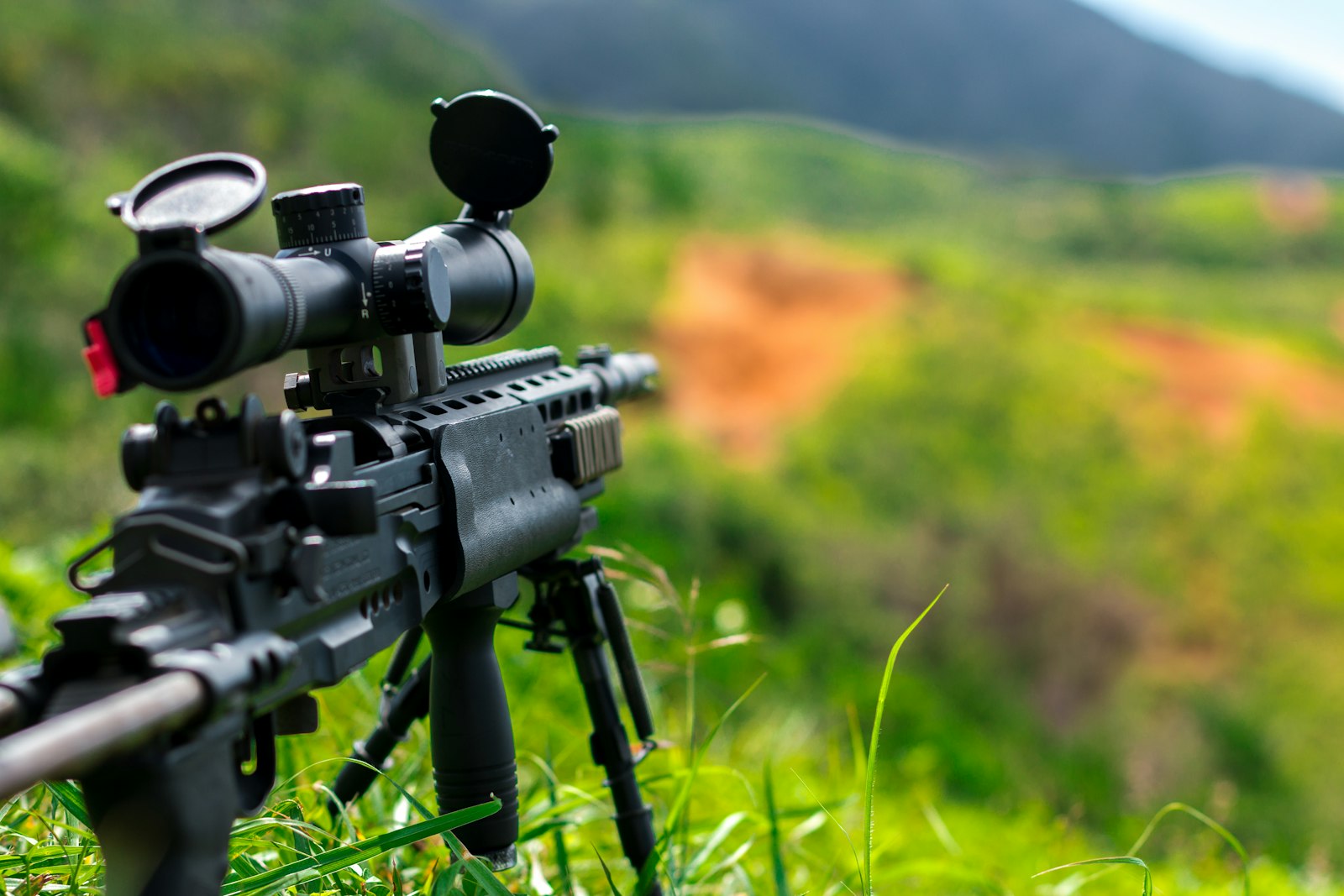
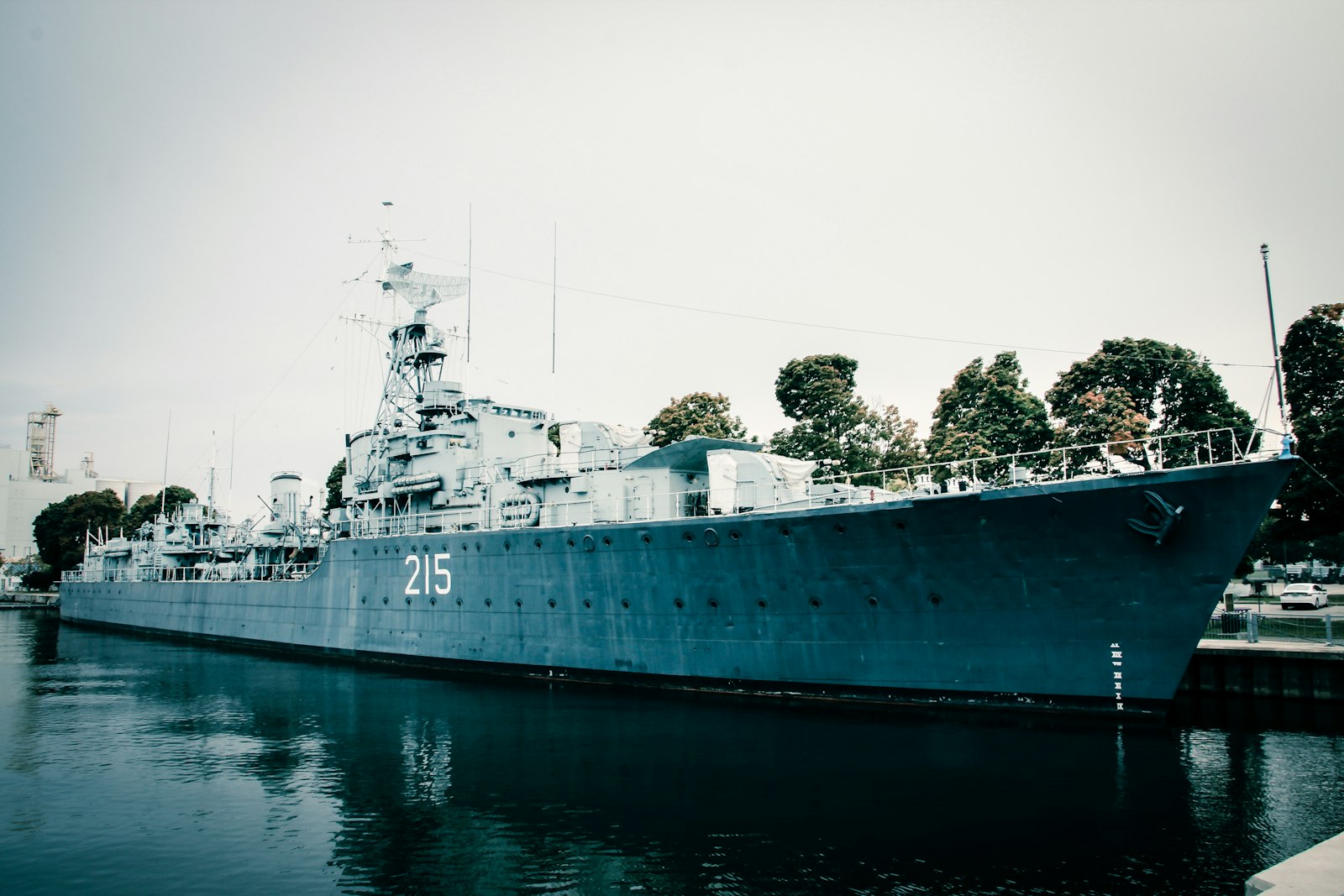
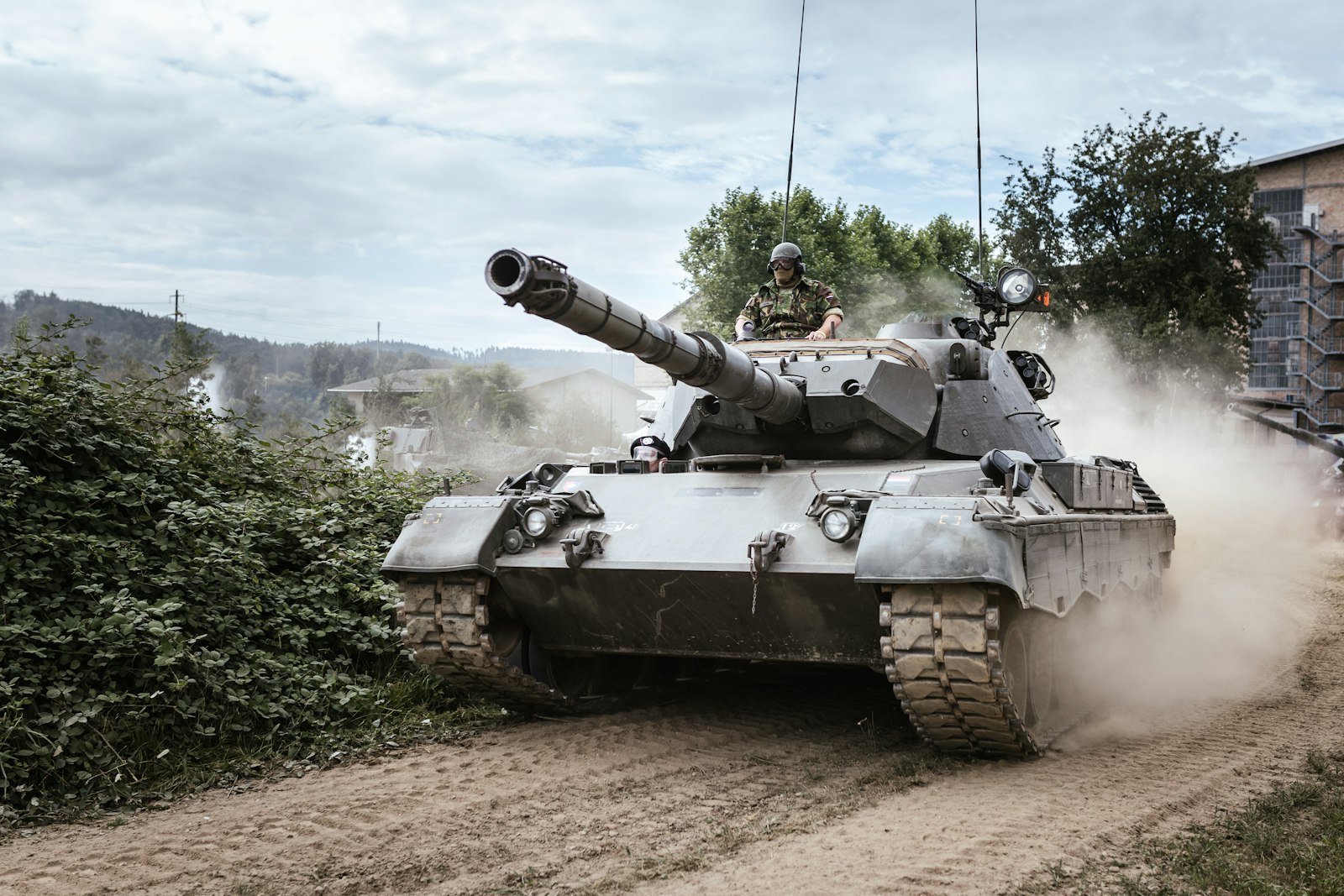
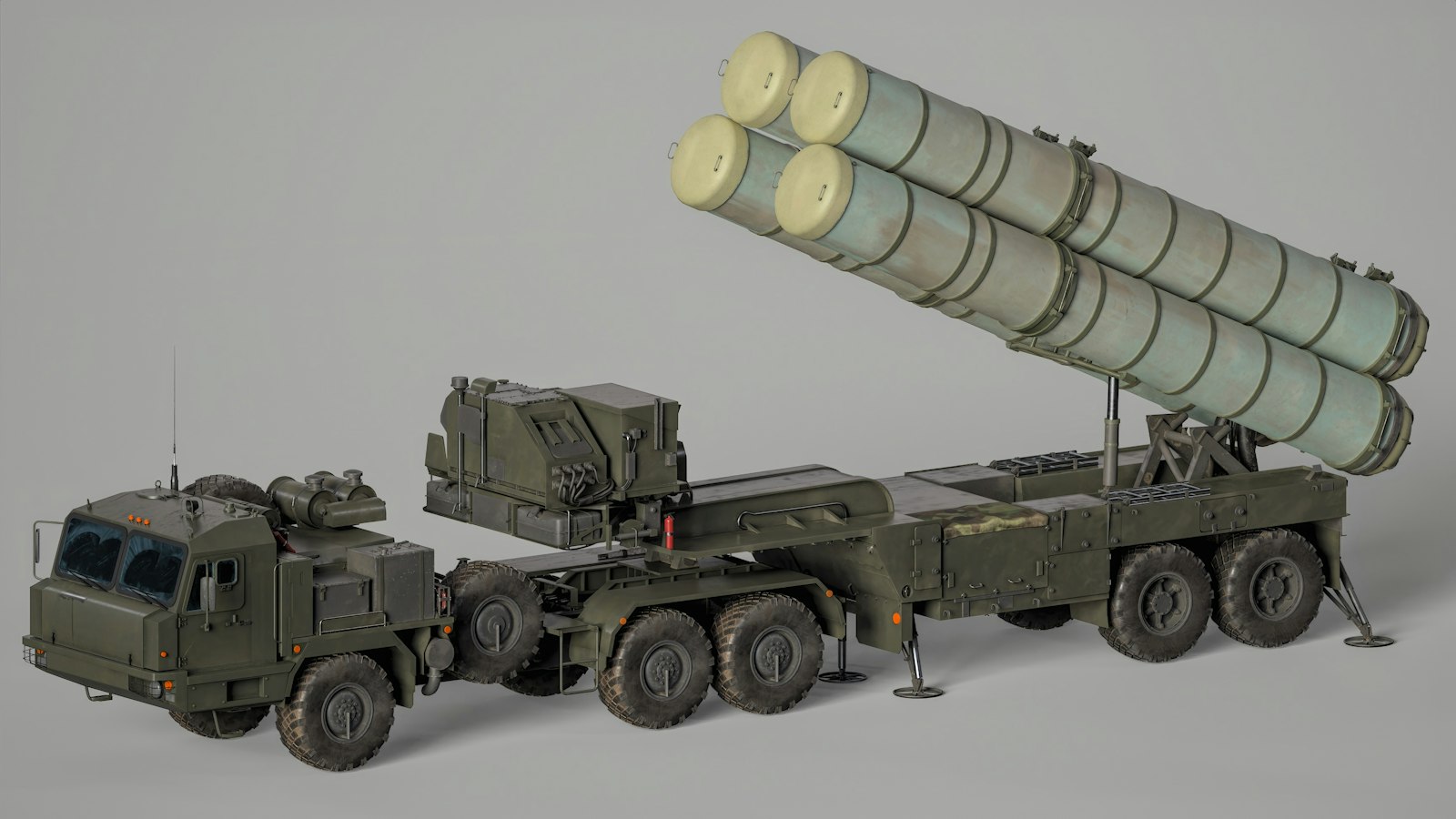
This section explains military hardware: the rifles soldiers carry, the tanks and aircraft they fight with, the ships that carry those aircraft, and the less visible systems built to shoot down missiles or jam radars. Each guide covers what the equipment does, which forces use it, what it costs where that's known and what its record shows. Each one ends with its own reading list, and figures from governments or manufacturers are labeled as their claims.
American gear in transition
A lot of America's core equipment is changing at the same time. The Army began fielding the 6.8mm M7 rifle in 2024 to replace the M4 in its close combat units, then switched its production line to a shorter XM8 carbine in 2026. It dropped the planned SEPv4 Abrams upgrade in 2023 and received its first M1E3 tank prototype in December 2025.
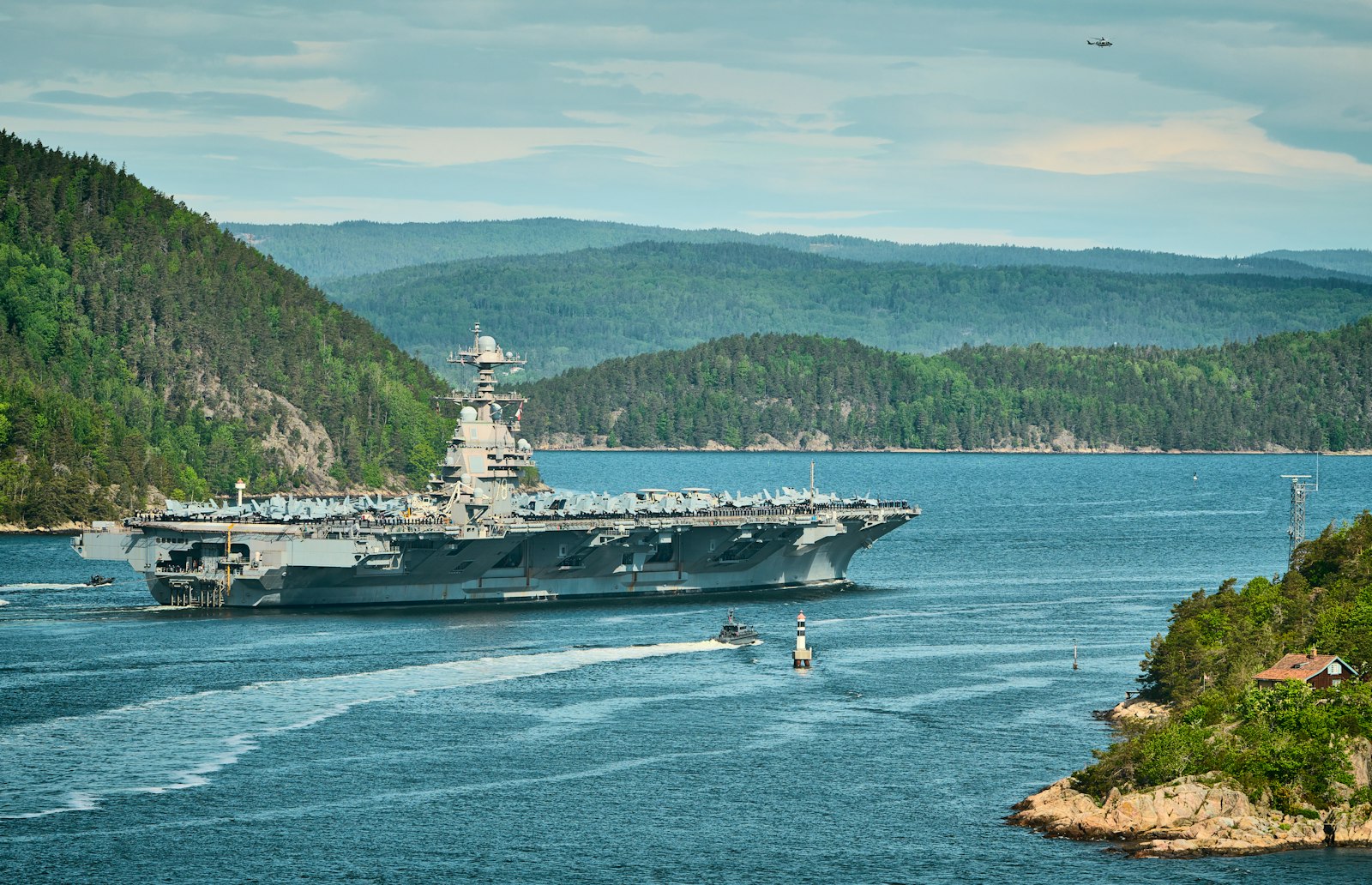
At sea, the Navy commissioned the first Ford class carrier in 2017. The second, John F. Kennedy, is due in March 2027, 54 months late, and USS Nimitz has been kept in service until then so the fleet stays at the 11 carriers federal law requires. In the air, Lockheed Martin counted more than 1,400 F-35s delivered by the end of October 2026, even though the Pentagon asked for only 47 of them in its fiscal 2026 budget. And the Missile Defense Agency now says its Glide Phase Interceptor, meant to catch hypersonic gliders in midflight, could arrive in 2031.
Reading foreign claims
Coverage of other countries' weapons often starts with an announcement. Iran called its Qaher-313 a radar-evading fighter in 2013; a 2019 U.S. Defense Intelligence Agency report later described Iran's stealth aircraft programs as "aspirational," Air & Space Forces Magazine reported. Russia's maker gives the Krasukha-4 jammer a range of 150 to 300 kilometers, and The War Zone has noted it isn't even clear whether that means detection or jamming. A widely reported success can mislead too: the Kinzhal that Ukraine's Patriot shot down in 2023 is an air-launched ballistic missile, the Congressional Research Service says, not a glide vehicle. The guides keep the claim and the evidence apart.
Start here: the F-35
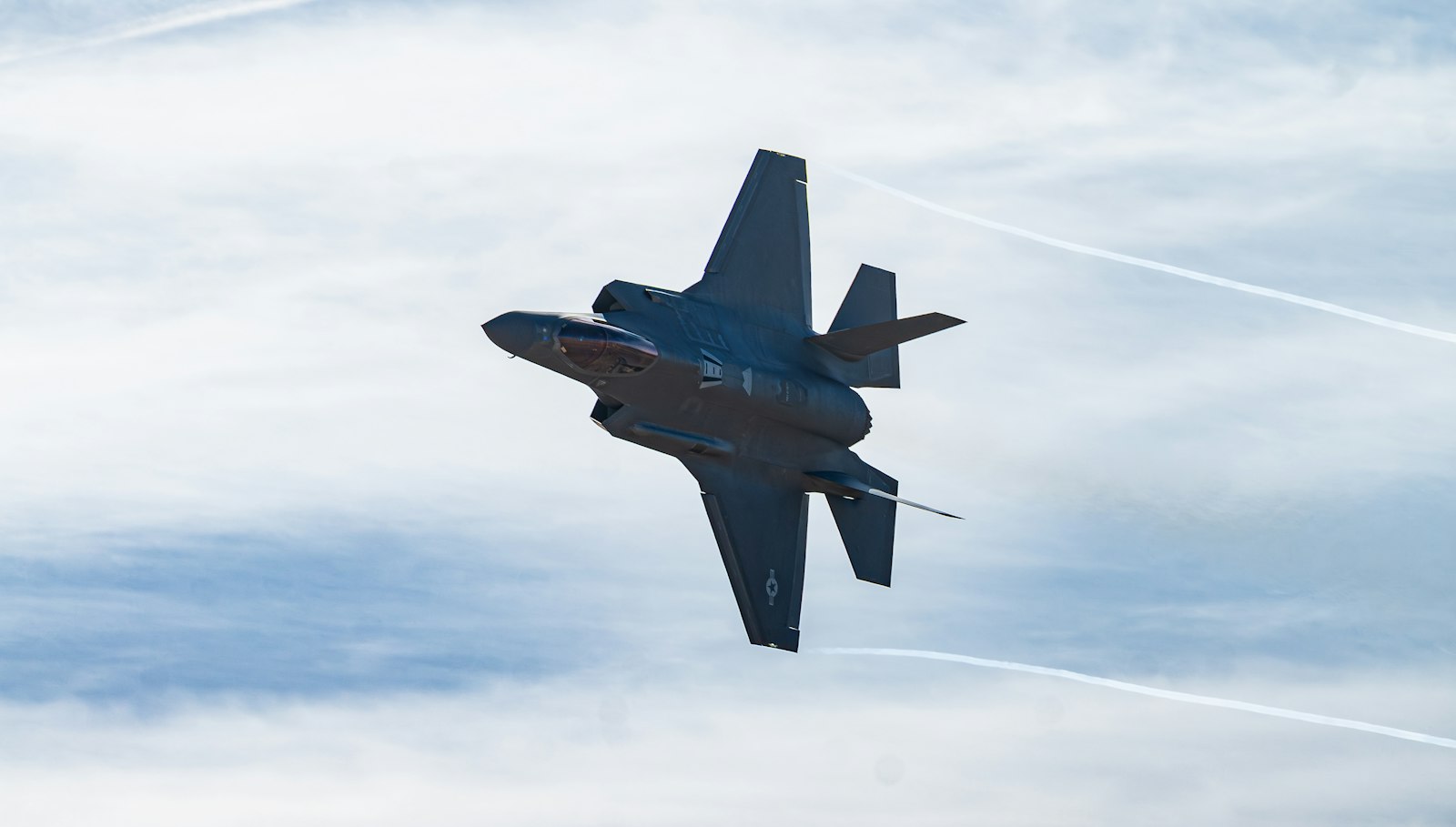
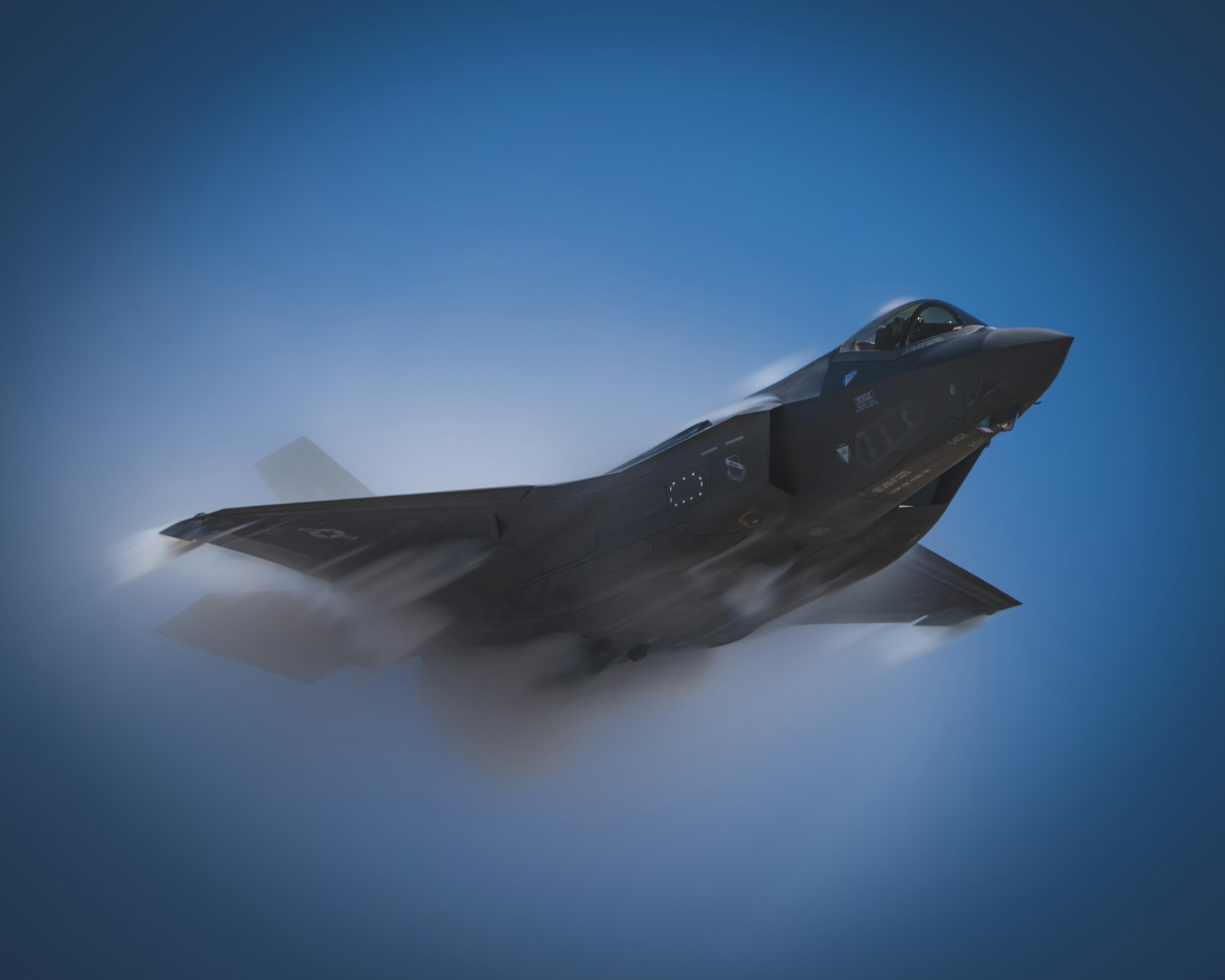
Three versions of one fighter, with costs and readiness laid out.
Arms deals and exports
Who buys what says a lot about alliances. Poland's 2022 order for 250 of the newest Abrams, the M1A2 SEPv3, was valued at roughly $4.75 billion. Lockheed lists 20 participants in the F-35 program, and Turkey lost its place in 2019 over its S-400 purchase from Russia. Three more purchases get their own guides, written for our world militaries section: Germany's Naval Strike Missile deal with Norway, Thailand's Chinese tanks and the Sky Dragon 50 system Morocco bought for air defense.
How to read the numbers
Specs and prices come in different kinds. A manufacturer's spec sheet is a claim. A figure from GAO or the Congressional Research Service is an independent estimate, though it can still change from one report to the next. Costs may be in then-year or constant dollars, and some include engines while others don't: the F-35's $82.4 million average airframe price in its latest lots leaves the engine out, while the Pentagon's older per-version estimates fold it in. Jammer and missile ranges are often maker figures with no stated test conditions. Where sources disagree, the guides say so and name each source.
Sources
- Task & Purpose: The Army's XM8 carbine production
- Congressional Research Service: The Army's M-1E3 Abrams Tank Modernization Program
- Congressional Research Service: Navy Ford (CVN-78) Class Aircraft Carrier Program
- Breaking Defense: Nimitz gets service life extension until 2027
- Lockheed Martin: F-35 Fast Facts
- Air & Space Forces: How the 2026 budget shapes the fighter fleet
- Air & Space Forces: Extra $475 million puts hypersonic interceptor program back on track
- Air & Space Forces: DIA, Iran gaining more military power
- The War Zone: Ukraine captured part of a Krasukha-4
- Congressional Research Service: Hypersonic Weapons, Background and Issues for Congress
- Defence24: Poland signs for Abrams tanks
- Air & Space Forces: F-35 deal for Lots 18 and 19