What counts as special operations
In the U.S. military the term has a home address. U.S. Special Operations Command, set up on April 16, 1987, and headquartered at MacDill Air Force Base in Florida, oversees the special operations units of every service. The command says about 3,500 people work at its headquarters and nearly 70,000 across the whole enterprise.
Its components are the Army's special operations command, Naval Special Warfare Command, Air Force Special Operations Command, Marine Forces Special Operations Command, a joint special operations command and a Space Forces special operations command. Seven theater special operations commands cover regions from Africa and Europe to the Pacific and Korea.
SOCOM lists 13 core activities. Some are what most people picture: direct action, special reconnaissance, counterterrorism and hostage rescue and recovery. Others are less familiar outside the military, such as civil affairs, security force assistance, foreign internal defense, unconventional warfare and information support operations.
The U.S. units we cover
Our guides focus on how people get in. A Navy SEAL can start as a civilian: pass a physical screening test, get through boot camp, then face BUD/S and a qualification course in Coronado. Army Special Forces, the Green Berets, select through a 24-day assessment and a qualification course that runs about a year and includes a foreign language. The 75th Ranger Regiment, a separate outfit that's easy to confuse with them, runs its own eight-week selection for junior soldiers. The Marine Corps picks its Raiders from Marines already in uniform and trains them for nine months at Camp Lejeune.
Each article sticks to what the services publish, and we flag the spots where recruiting pages and press reports disagree.
Start here: SEAL selection
Eyesight rules, ASVAB lines, the PST and Hell Week, all in one place.
Beyond the United States
Other countries organize elite forces differently, and three of them show up here.
France's naval commandos belong to Forfusco, a force of roughly 2,900 sailors that also includes the naval infantry who guard bases and ships. Its seven commando units include four assault commandos, a combat swimmer unit near Toulon and two support commandos, one of them Commando Ponchardier, created in 2015. Every one of them draws on the same selection course, which turned 80 in 2026.
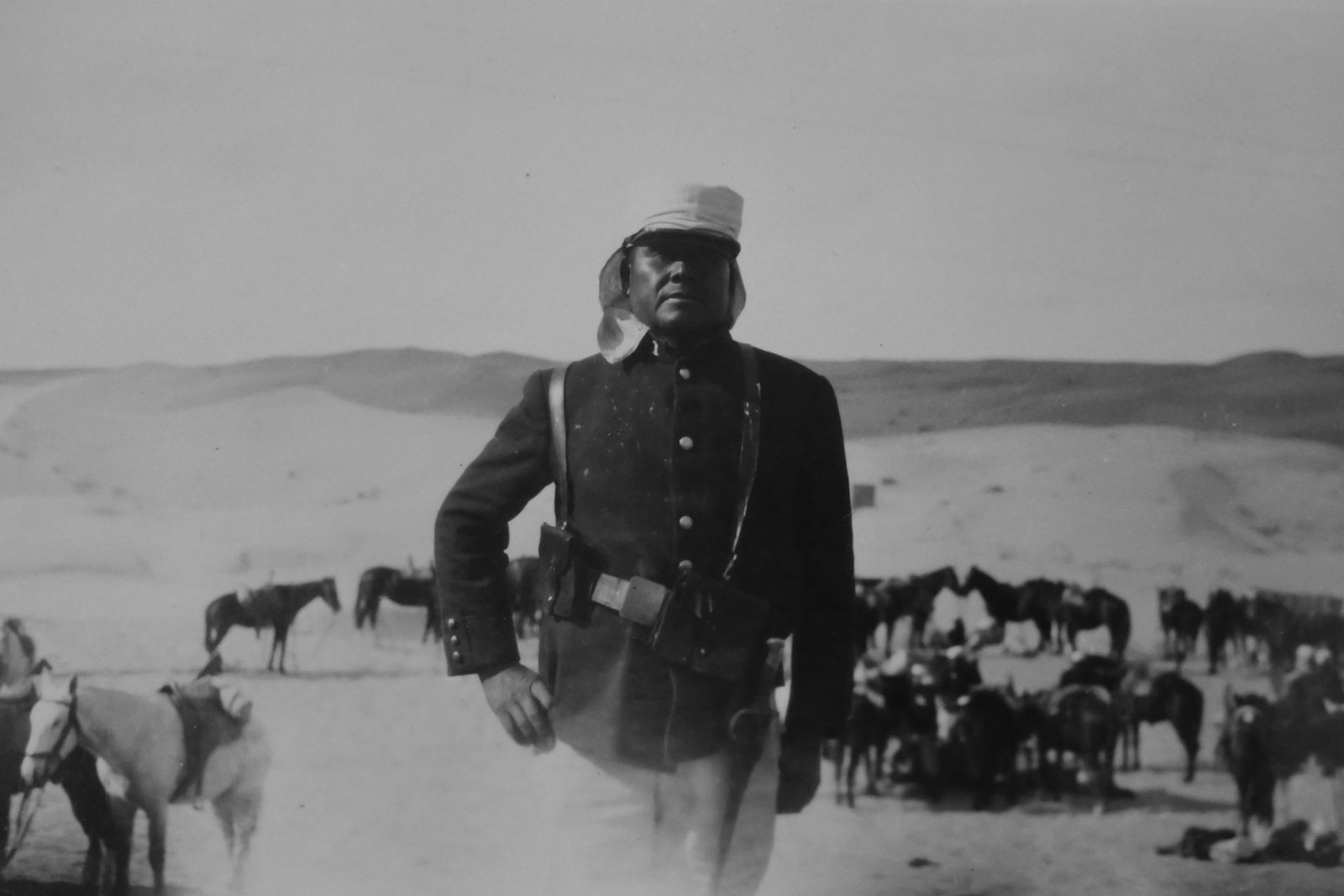
The French Foreign Legion isn't a special operations force. It's here because it runs its own demanding selection, has a parachute regiment and takes volunteers from other countries. Its age window runs from 17 to just under 40, and a first enlistment lasts five years.
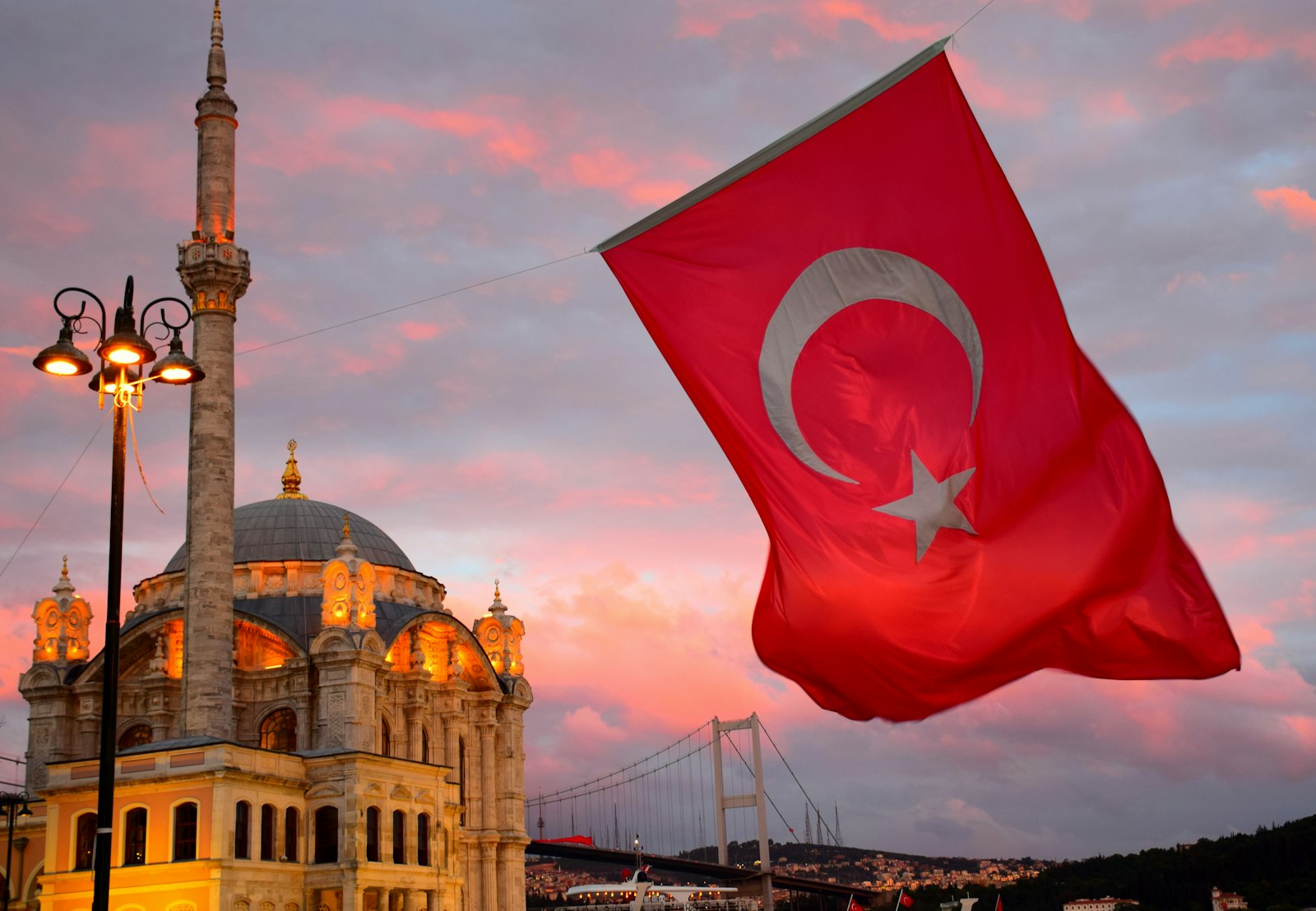
Turkey's Jandarma is a gendarmerie, a law enforcement body with military rank and structure that answers to the Interior Ministry. Its special public order command fields commando operations teams, snipers, bomb disposal specialists and search and rescue units.
A note on the numbers
Selection standards move. Ages, test scores and course lengths get revised, and older articles online keep repeating figures long after they've changed. Where we give a number we say whose number it is and link the source, so you can check it. If you're serious about applying, take our figures as background and get the current ones from a recruiter in writing.