What this section covers
History on this site is about events that still shape how armed forces fight, train and remember. Some pieces walk through a single battle step by step. Others explain a tradition, a court case or an attack and how the country answered it. The common thread is that each one rests on records you can check yourself, listed at the bottom of every article.
We give dates and casualty counts plainly, because they matter. We don't round away the disagreements. When the National WWII Museum and another source count the dead differently, both figures go on the page with their sources.
The Second World War, counted
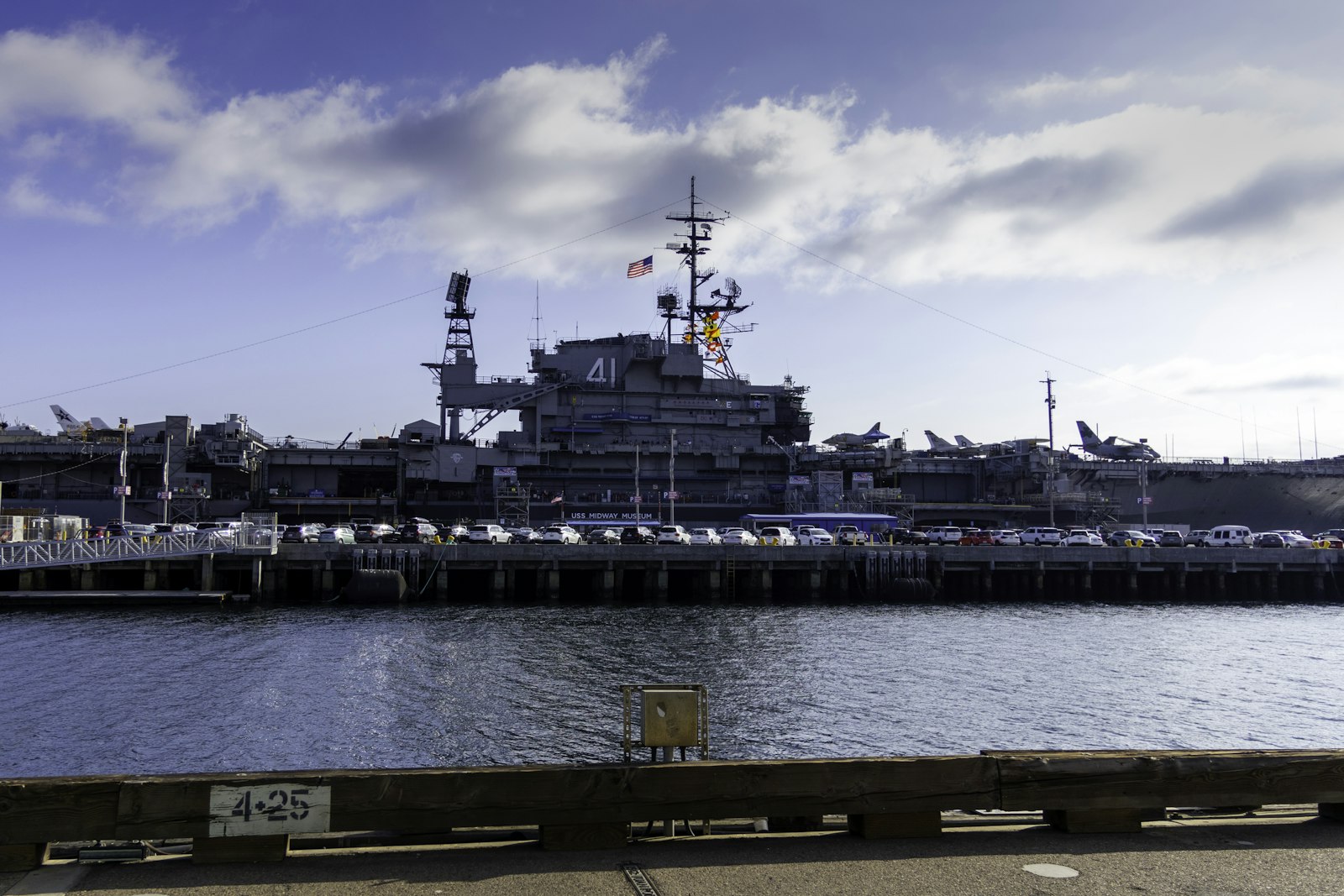
Two of the section's pieces cover 1942 and 1944. At Midway in early June 1942, Navy codebreakers worked out where and when Japan would strike, and American dive bombers wrecked three Japanese carriers in a matter of minutes on June 4. Japan lost four carriers in the battle, the United States one.
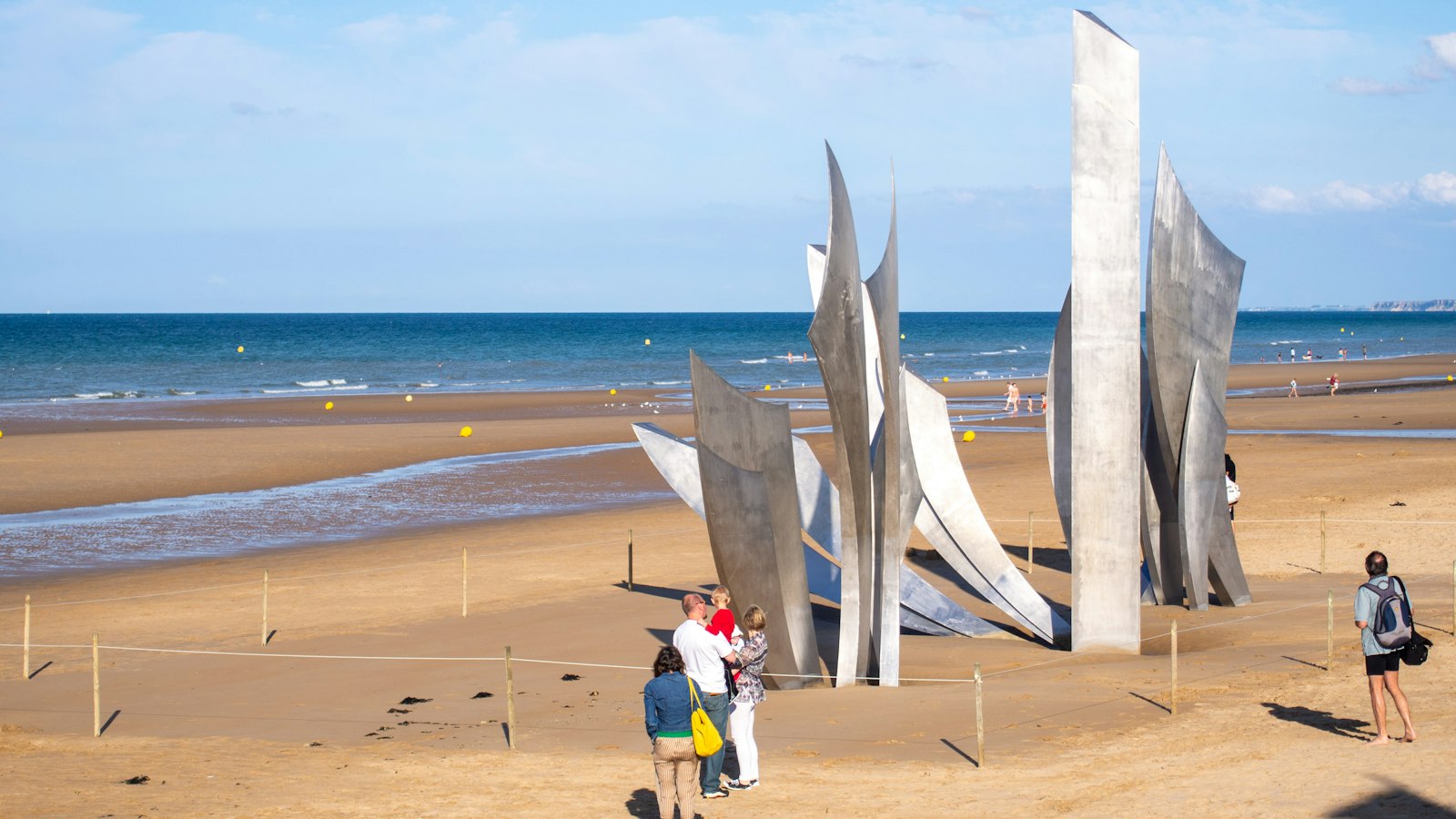
Two years later came Normandy. The National WWII Museum puts the Allied force that landed on June 6, 1944, at nearly 160,000 troops, carried and covered by a fleet of over 7,000 vessels. The Army's own history lists the five beaches and the divisions that hit them. Casualty totals for that single day still differ by more than a thousand depending on who is counting, and our D-Day page explains why.
Start here: D-Day by the numbers
Beach totals, the airborne drop, ships, aircraft and the cost of one day in Normandy.
The fight over airpower
Long before carriers decided battles, the services argued about what aircraft could do. Billy Mitchell, an Army airman who had commanded nearly 1,500 Allied planes over St. Mihiel in 1918, pushed the case hardest. His bombers sank the captured German battleship Ostfriesland off the Virginia coast in July 1921. Four years later his public attacks on Army and Navy leadership got him court-martialed, and he resigned rather than serve a five-year suspension. Our profile separates what he did from the myths that grew up around him.
How units remember
Armies keep their history alive through ritual as much as through books. The French Foreign Legion marks April 30 every year in honor of a company that refused to surrender at Camerone, in Mexico, in 1863. The French history magazine Herodote dates those commemorations to 1906, and Captain Jean Danjou's wooden hand is still carried out at the main ceremony in Aubagne.
Americans remember in stone. The Normandy American Cemetery at Colleville-sur-Mer holds 9,389 graves by the count of the American Battle Monuments Commission, and another 1,557 missing men are named on the walls beside them.
Recent history
Not every page here is about soldiers. Our account of the 2016 attack on the Pulse nightclub in Orlando, where 49 people were killed, draws on the Justice Department's review of the police response and follows the story through to the national memorial that Congress designated in 2021. We wrote it with the victims at the center, and we don't name the gunman.
How these pages are checked
Every number on a history page has to come from a source we have read: a museum, a government record, a service history office or a reputable news organization. When we can't confirm something, such as a casualty figure repeated on old forum posts, we leave it out and say so. If you spot an error, the contact page is the fastest way to reach us.
Sources
- National WWII Museum: The Battle of Midway
- National WWII Museum: D-Day fact sheet
- U.S. Army: D-Day, Operation Overlord history
- Air & Space Forces Magazine: Heroes and leaders, Billy Mitchell
- Herodote.net: 30 avril 1863, Camerone
- American Battle Monuments Commission: Normandy American Cemetery
- COPS Office and Police Foundation: Rescue, Response, and Resilience (2017)