

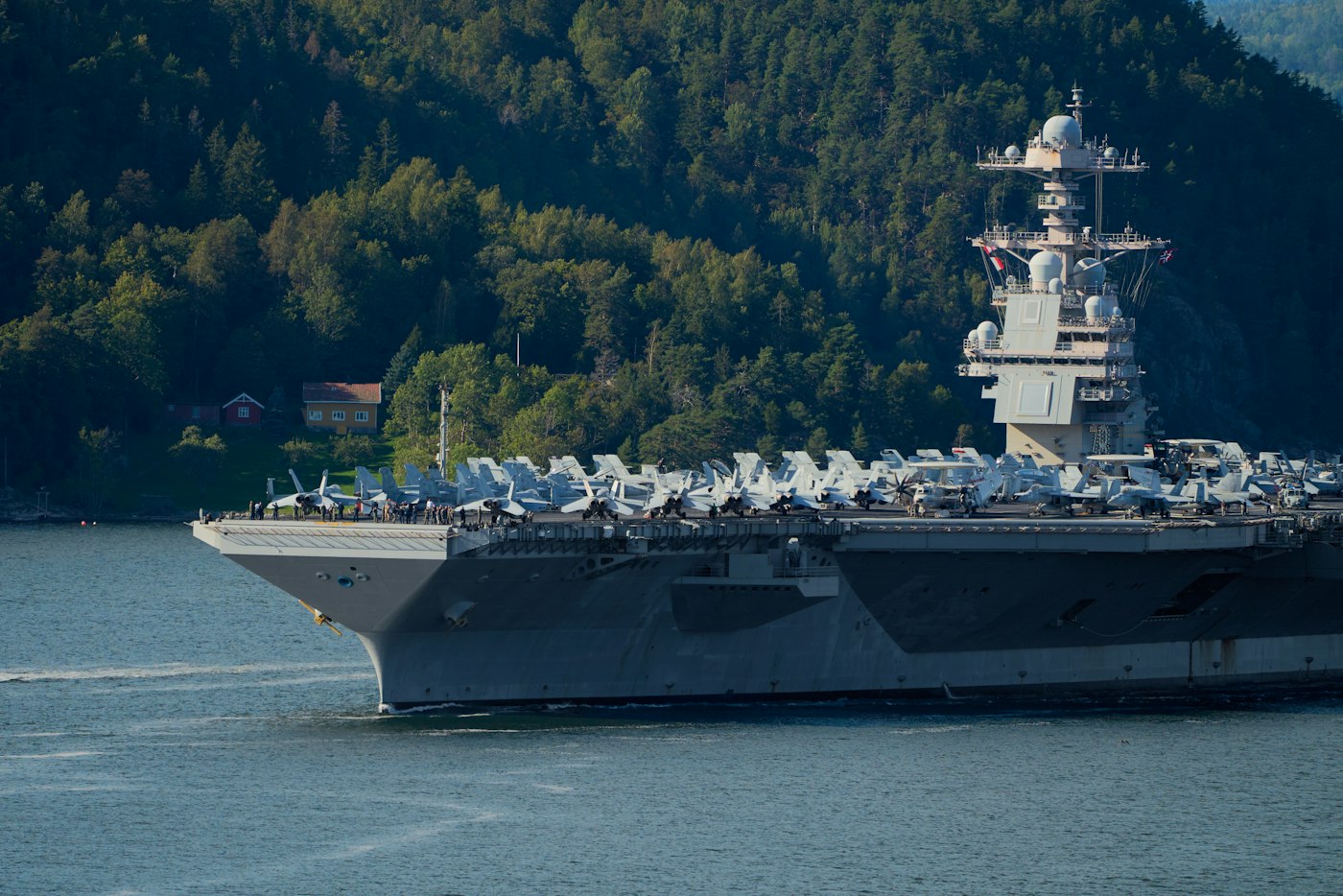
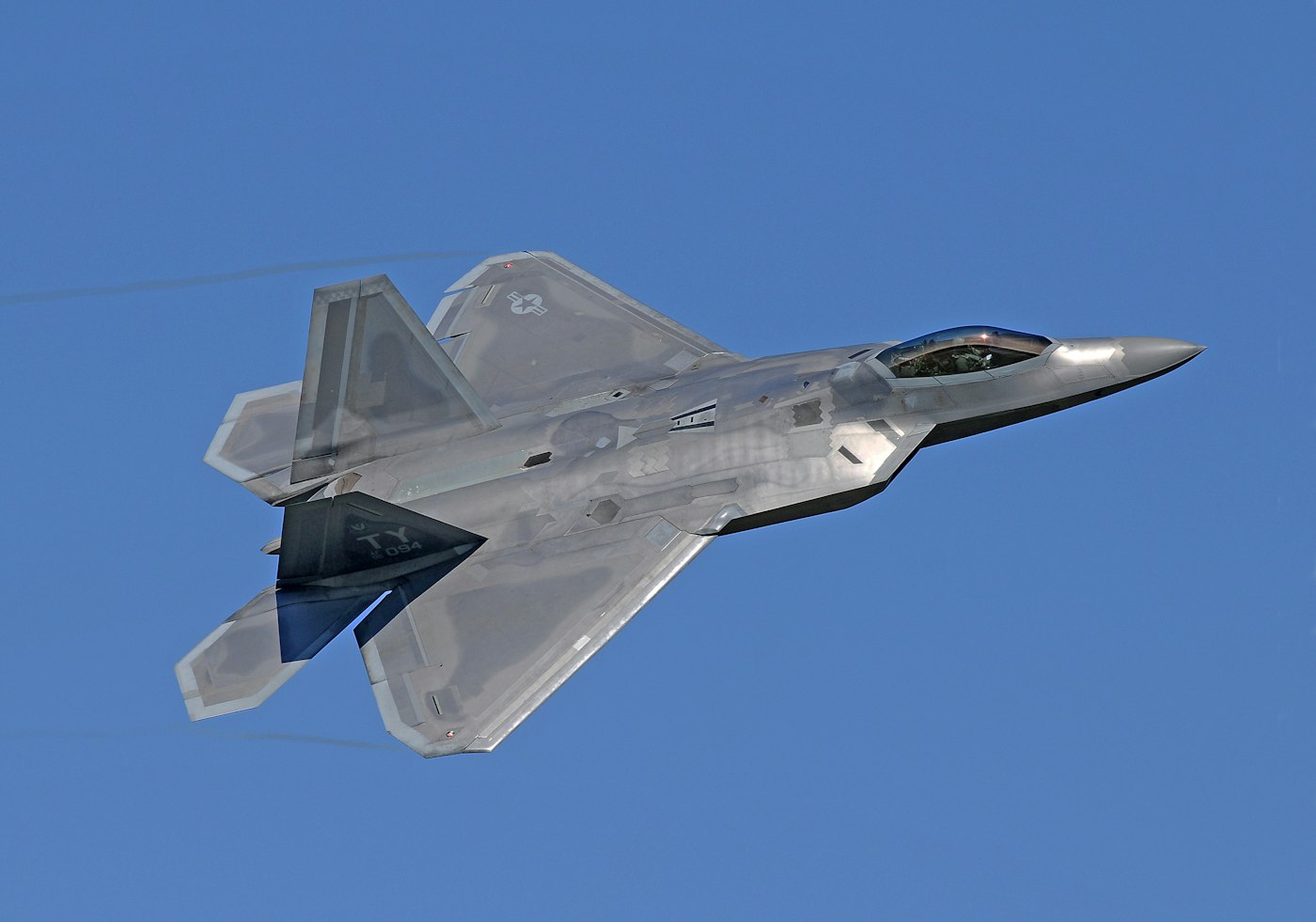



Six armed forces, defined in law
The list isn't a matter of opinion. Title 10 of the U.S. Code defines the armed forces as the Army, Navy, Air Force, Marine Corps, Space Force and Coast Guard. Every enlistment contract, every pay table and every set of entry standards traces back to one of those six.
Who reports where
Five of the six sit inside the Defense Department, but not each in a department of its own. The Army has the Department of the Army. The Navy and the Marine Corps share the Department of the Navy, which the law describes as including Headquarters, Marine Corps and the operating forces of both services. The Space Force was set up as an armed force within the Department of the Air Force, so it shares a department with the Air Force the same way the Marines share one with the Navy.
The Coast Guard is the outlier. By law it is a service in the Department of Homeland Security, except when it operates as a service in the Navy, which can happen in wartime or when the President directs it. That split is why Coast Guard crews can board a suspected smuggling boat one week and train with the Navy the next.
Thinking about joining?
Our enlistment guides walk through MEPS, the ASVAB and basic training, branch by branch.
How the services differ for a recruit
Each branch sets its own entry standards inside the limits the Defense Department allows, runs its own basic training and offers its own list of jobs. Test score minimums, age limits, body composition rules and enlistment bonuses all vary, and they change more often than most people expect. Our guides to the ASVAB, age and education requirements and basic training compare them side by side.
Every applicant, whatever the branch, goes through the same kind of processing station. The MEPS step by step guide covers that day from check-in to the oath.