

What this section covers
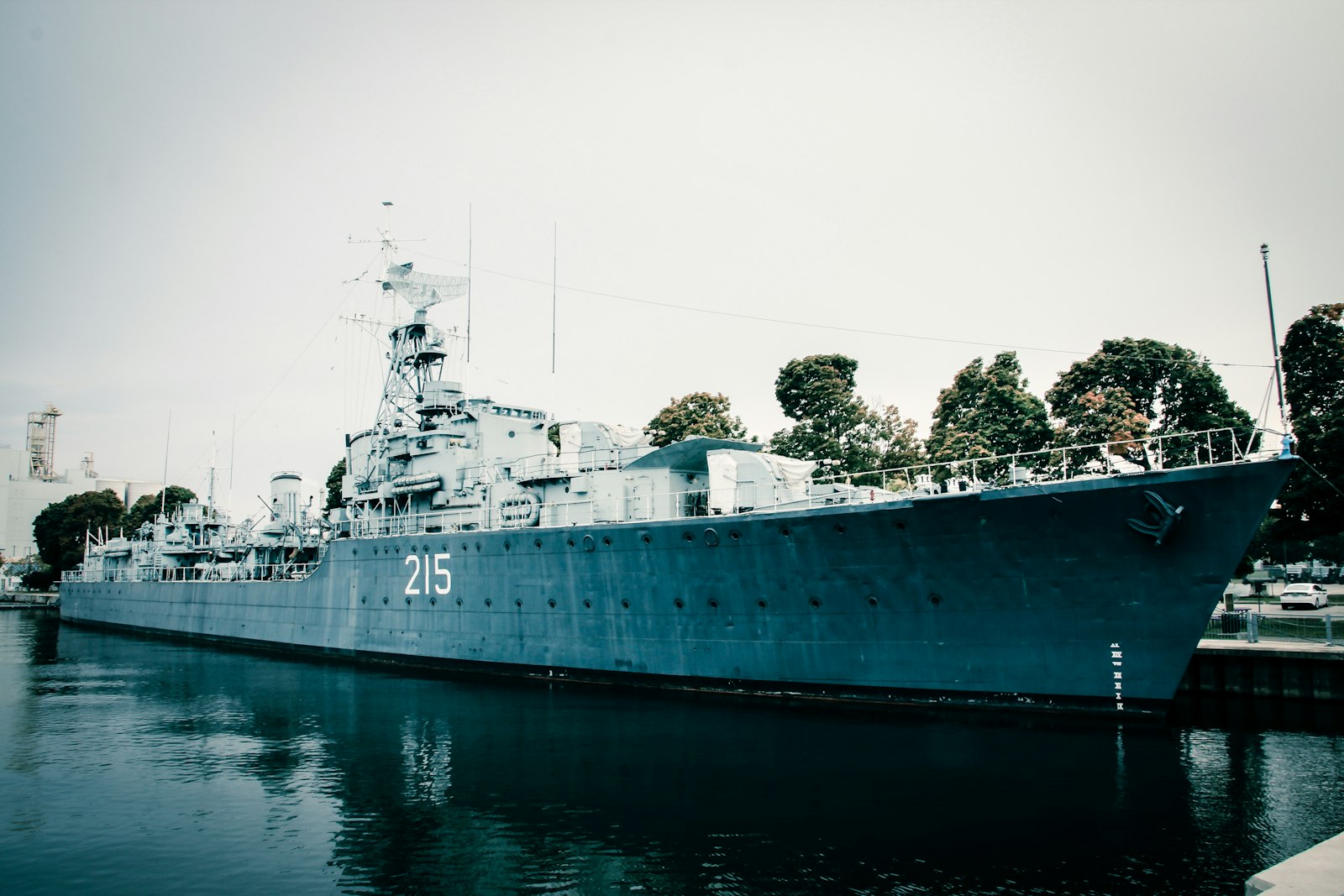
Most of this site deals with America's own military. This section looks outward. It covers how other countries size, equip and fund their militaries, the alliances that bind them to Washington and the arms deals that shift the balance between neighbors. Where sources disagree, the articles say so instead of picking a number.
The big picture in numbers
For force sizes we use a single reference, the 2026 edition of the IISS Military Balance, which counts every country the same way. By that measure China has the largest military on active duty, a little over two million people. India ranks next, then America, with North Korea and Russia close behind. Of NATO's 32 members, just three reach the top 25: America, Turkey and France.
Money ranks differently. The same IISS data put American defense spending for 2025 at $921 billion, about 3.7 times China's $251.3 billion and well over five times Russia's $161.2 billion. Official targets and real strength can drift apart, too: Russia ordered its active force raised to 1.5 million in September 2024, yet the IISS count for 2025 came to 1,264,000. All 25 entries are in our size ranking.
Alliances
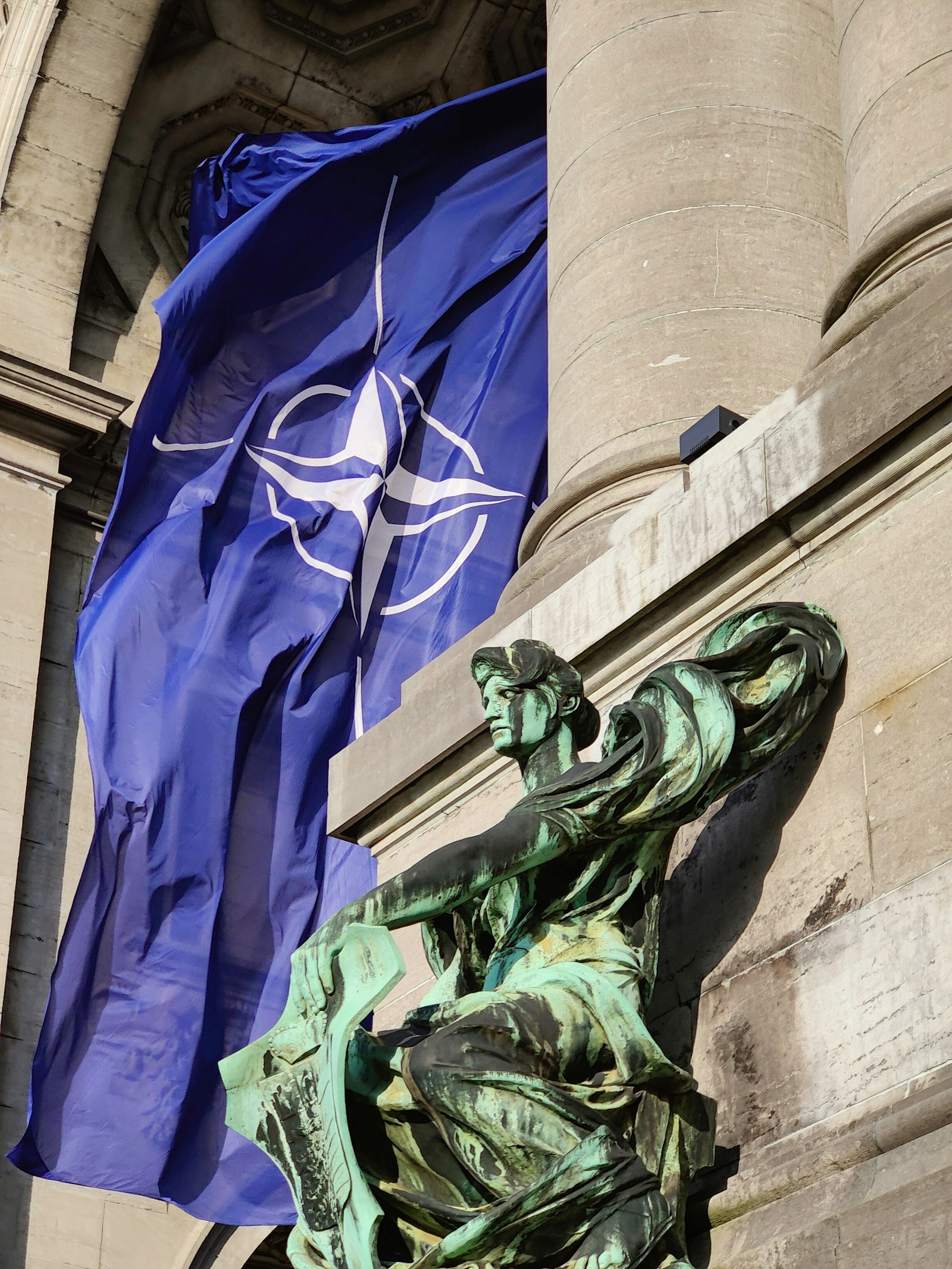
For American service members, NATO is the alliance that matters most. It began with twelve countries in April 1949 and reached 32 when Sweden joined in March 2024, a year after Finland. Its mutual defense clause, Article 5, has been invoked only once, after the attacks on the United States in September 2001. At The Hague in June 2025, members agreed to devote 5 percent of national output annually to defense and related security by 2035, with at least 3.5 percent going to core defense. Our NATO guide covers members, consultations and the spending fight.
In Asia the U.S. treaty with Japan plays a similar role. Washington and Tokyo put it in writing in February 2025 that Article V of their security treaty applies to the Senkaku Islands, a point that weighs heavily in any comparison of Japanese and Chinese strength.
Start here: the size rankings
See which twenty-five countries keep the most people on active duty.
Who sells weapons to whom
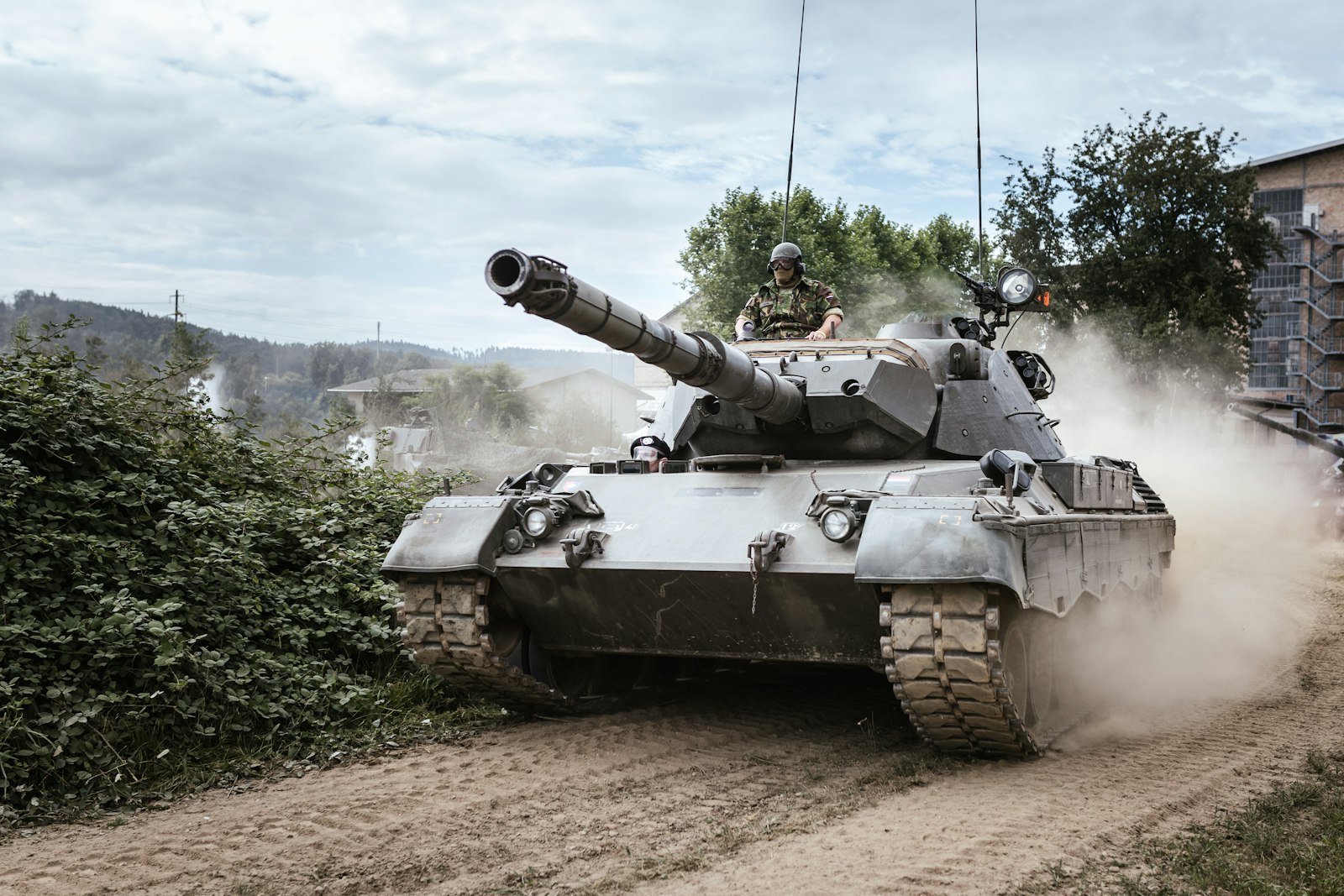
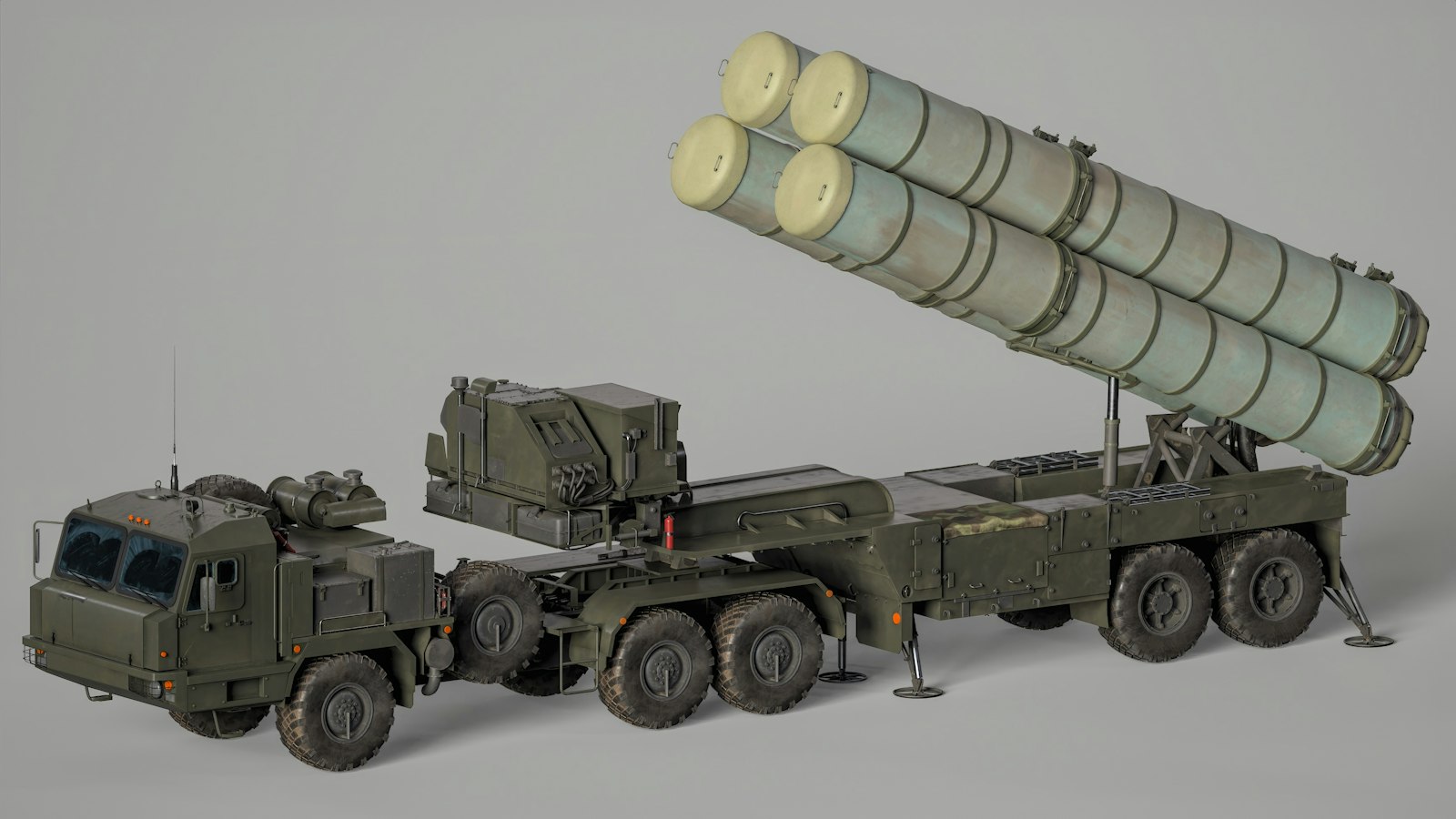
Several guides here follow a single purchase from contract to service. China's arms maker Norinco delivered 60 VT-4 battle tanks to Thailand by late 2023 and sold Pakistan 176 of the same model, and it supplied the Sky Dragon 50 air defense system that Morocco received in December 2017. Morocco has since added longer-range Chinese missiles and an Israeli system, while still counting the United States as its main supplier.
Europe offers a different model. Norway buys German-built submarines and Germany buys Norway's Naval Strike Missile, and the two are now co-developing a supersonic successor meant to be ready around 2035. Read together, these deals show buyers spreading their orders across several suppliers rather than relying on one.
Beyond hardware
Not every contest involves tanks or missiles. Since 2018 platform companies have removed Iran-linked networks of fake accounts and news sites, and U.S. agencies have issued sanctions and criminal charges tied to the 2020 and 2024 elections. Our explainer on Iran's influence operations lays out what those documents claim and what they leave open.
Countries with their own pages
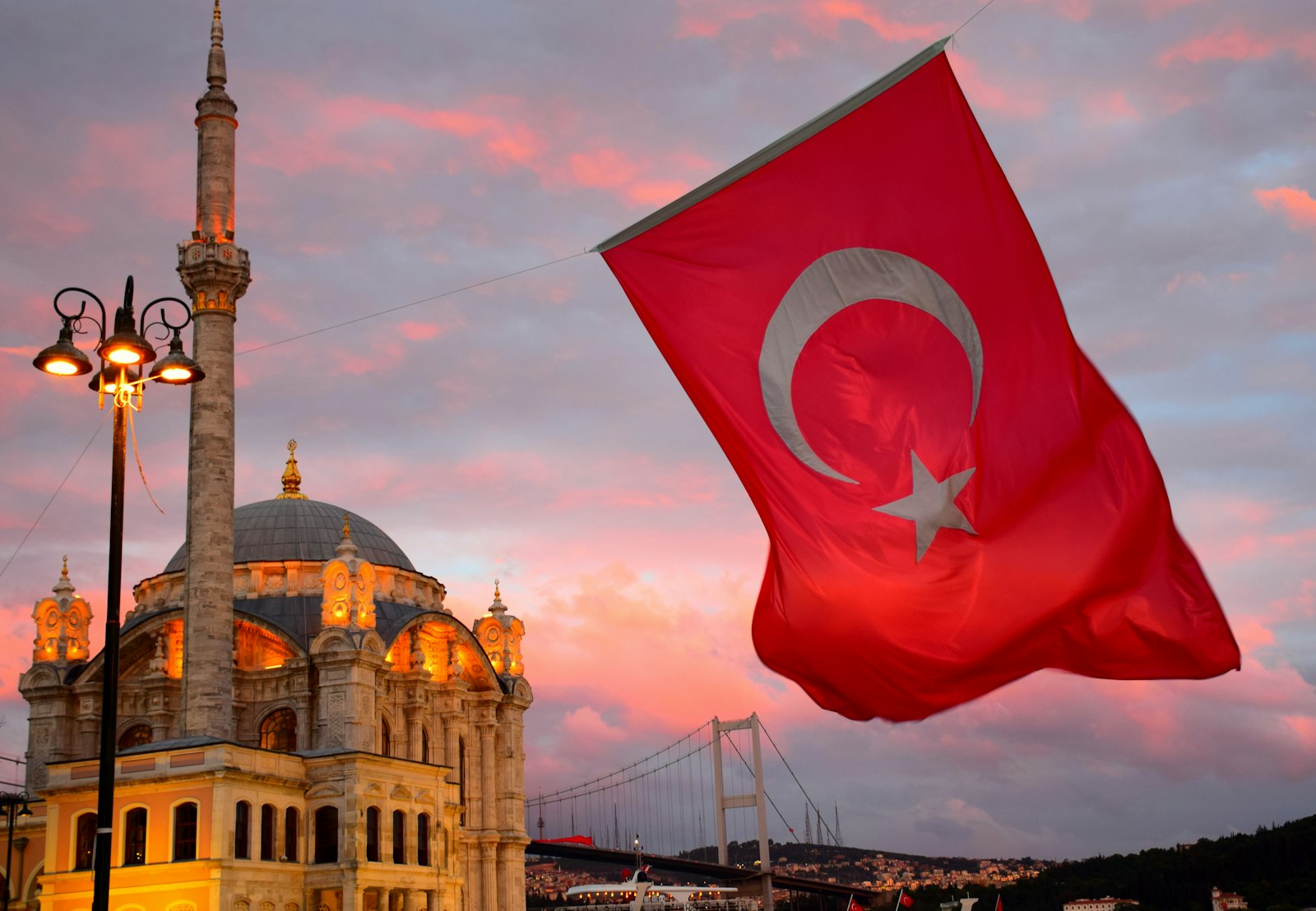
Turkey and India each have a dedicated topic page. Turkey, a NATO member since 1952, counts 355,000 active personnel in the IISS 2026 figures, the most of any ally except the United States, and its gendarmerie commandos are the subject of the Jandarma guide above. India's page explains how the world's second-largest military by headcount is organized.
Sources
- Business Insider: The 25 largest militaries in the world (IISS Military Balance 2026 data)
- The Moscow Times: Putin orders Russian army to increase troop size by 180K
- NATO: Member countries
- NATO: The Hague Summit Declaration
- The White House: United States-Japan Joint Leaders' Statement
- Janes: Norinco completes VT-4 deliveries to Thai Army
- Military Africa: Morocco and the Sky Dragon 50