What the Jandarma is
The Jandarma Genel Komutanlığı, or Gendarmerie General Command, describes itself as an armed general law enforcement force that keeps security and public order. It reports to Turkey's Interior Ministry. Its duties fall into three groups: civil work such as keeping order, preventing and investigating smuggling and guarding the outside of prisons; judicial work, meaning criminal investigations; and military duties assigned by law or presidential decree.
Where it works is set by Law No. 2803, adopted on March 10, 1983. Article 10 gives the Jandarma everything outside the police's area, which the law defines as places beyond provincial and district municipal boundaries or with no police organization at all. A line added in 2016 lets the interior minister hand a whole province or district to either the police or the gendarmerie, and local commissions led by provincial or district governors draw the boundaries.
A police force with military status is a common arrangement in Europe and beyond. Turkey's gendarmerie joined FIEP, the international association of gendarmeries and police forces with military status, in 1998. The association's 19 full members also include France, Italy, Spain, Portugal, Morocco, Jordan and Chile. The United States isn't on the list.
From the Zaptiye to the Interior Ministry
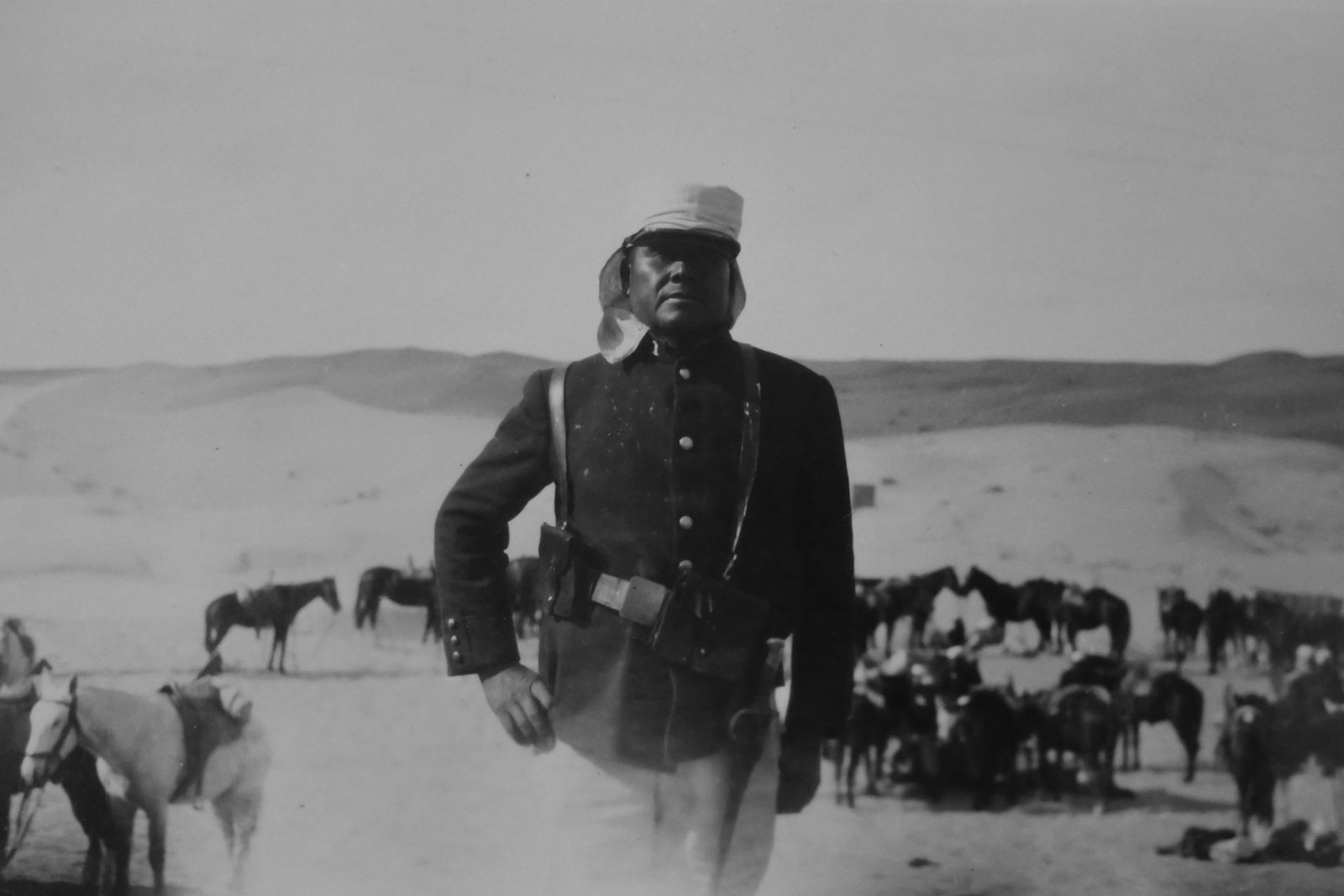
The Jandarma's own history page tells a longer and messier story than the single founding date you'll often see. Ottoman records start mentioning a Zaptiye, or police force, from 1839 onward. On February 16, 1846, the Ottomans set up a central Zaptiye office, and on June 14, 1869, they published the regulation that organized the force. That 1869 regulation is why June 14 is celebrated as the gendarmerie's founding day.
Older write-ups, including the page this one replaces, put the founding on June 14, 1839. The gendarmerie says the 1839 year rested on a story about records in its archives that an academic paper later cleared up, and that June 14 stays in use as a symbolic date.
The milestones after that:
- November 20, 1879: the force became the Jandarma Dairesi, with British and French officers brought in to modernize it after the 1877 to 1878 war with Russia.
- 1904: the first gendarmerie schools opened in Salonica.
- June 10, 1930: Law No. 1706 gave the gendarmerie its legal status in the Turkish Republic.
- 1966 and 1967: regional commands were set up and the first Jandarma commando units started forming.
- 1974: two Jandarma commando battalions, from Nevşehir and Batman, took part in Turkey's Cyprus operation. The gendarmerie says 976 of its personnel served there and 13 were killed.
- 1984 onward: the gendarmerie describes itself as the most important element in the fight against the PKK and other groups it calls terrorist organizations.
- 2016: a decree with the force of law, No. 668, moved the General Command under the Interior Ministry. The gendarmerie's schools were replaced that year by a new Gendarmerie and Coast Guard Academy.
The special public order command
The unit at the center of this page's old title is the Jandarma Komando Özel Asayiş Komutanlığı. The Turkish presidency translates it as the Gendarmerie Commando Special Public Order Command. Older English write-ups, including this site's earlier article, called it JÖAK and compared it to an American SWAT team. The gendarmerie's own description shows two battalions under it.
The Commando Operations Battalion, known as JOPER, has three parts:
- Special operations teams that work on land vehicles, aircraft and trains, in buildings, homes and facilities, on special protection jobs and on tasks during public disturbances.
- A sniper team meant to stop or slow armed attackers and take them out without harming civilians.
- An explosives detection and disposal section, including dogs trained to find mines and explosives.
The Commando Search and Rescue Battalion, JAK, handles disasters anywhere in the country: earthquakes, avalanches, floods, landslides and collapsed buildings. It has disaster rescue companies and a special company with mountaineering, underwater and dog teams. The gendarmerie says the first JAK teams were formed in 1998 for mountain and ski resort areas and that they train year round in real terrain and weather.
Other specialist teams sit elsewhere in the force, including bomb disposal teams known as PAMİT, 13 underwater search and rescue teams, crime investigation teams called JASAT, and an aviation command that has added ATAK helicopters to its fleet.
Many older articles split the Jandarma's elite into two units, JÖH for special operations and JÖAK. The units page on the gendarmerie's website has no separate JÖH entry, so we've stuck to the commands it does describe.
Next guide: France's naval commandos
Seven commando units, an 80-year-old selection course and Commando Ponchardier's support role.
How gendarmerie commandos train
Anadolu Agency, Turkey's state news agency, followed a Jandarma Commando Specialization Course in June 2021. It's run by the Foça Gendarmerie Commando School and Training Center in İzmir and lasts six months, with phases in three provinces:
- Kayseri, for operations in severe cold and deep snow.
- Ankara, for basic diving.
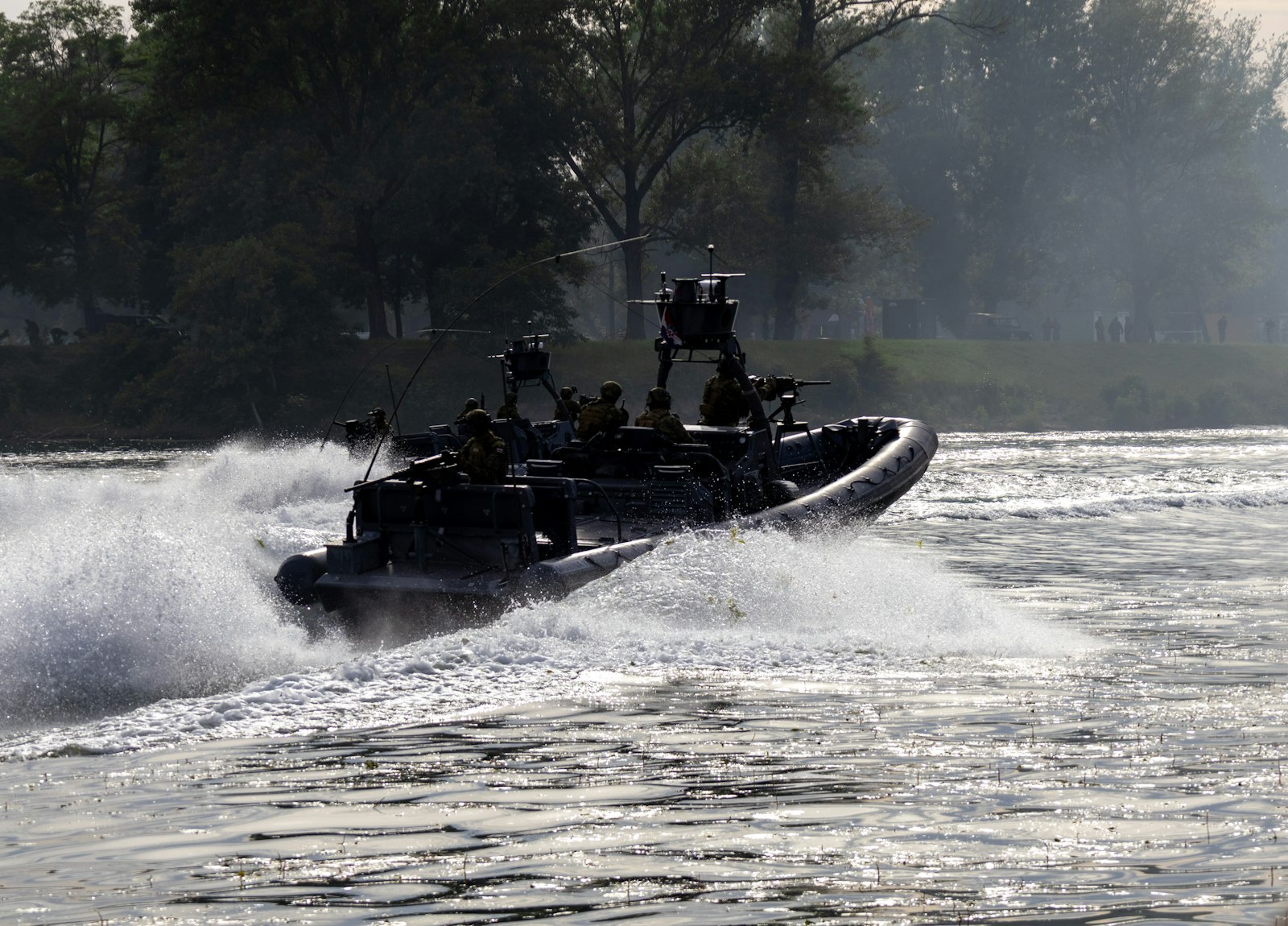
- İzmir, for boat handling, diving, jumping from helicopters and fast roping, physical conditioning and close combat, by day and night.
Across the course, students cover land, sea and air phases, urban combat, weapons handling, firing and sniping, map reading, mountaineering and first aid. The course is voluntary and open to officers and NCOs. After testing, 35 were selected as special commandos in the class the agency covered. Its crew also filmed a sea exercise in the Aegean that included helicopter rescues of migrants in distress.
The 2016 presidential visit
The old title of this page referred to a presidential visit, and the record on that is short. According to the Turkish presidency's English news archive, President Erdoğan toured the Gendarmerie in the Güvercinlik district of Ankara in 2016. The item is dated February 16, 2016, and says he visited the Gendarmerie Commando Special Public Order Command there.
In July 2016, five months after that visit, Decree No. 668 amended the 1983 law to attach the General Command to the Interior Ministry.
Get the briefing
Sign up for a short email whenever we add coverage of Turkey's forces or other foreign units.
How it compares
Comparisons with U.S. units only go so far. JOPER's mix of special operations in buildings and vehicles, protection jobs and public order duty sits closer to a national police tactical unit than to Army Special Forces or the Rangers, while the commando course's land, sea and air phases look more military. France is another useful comparison, with a gendarmerie of its own in FIEP and a Navy that runs its own commando units. For more on Turkey's armed forces as a whole, see our Turkey hub.
Sources
- Presidency of the Republic of Türkiye: President Erdoğan visits Gendarmerie Commando Special Public Order Command
- Jandarma Genel Komutanlığı: Tarihçe (history)
- Jandarma Genel Komutanlığı: Hakkımızda (about)
- Jandarma Genel Komutanlığı: Special Public Order Command
- Jandarma Genel Komutanlığı: Units and teams
- Mevzuat: Law No. 2803 on the Gendarmerie's organization, duties and powers
- Anadolu Ajansı: Jandarma commandos' specialization training