What the XM7 actually is
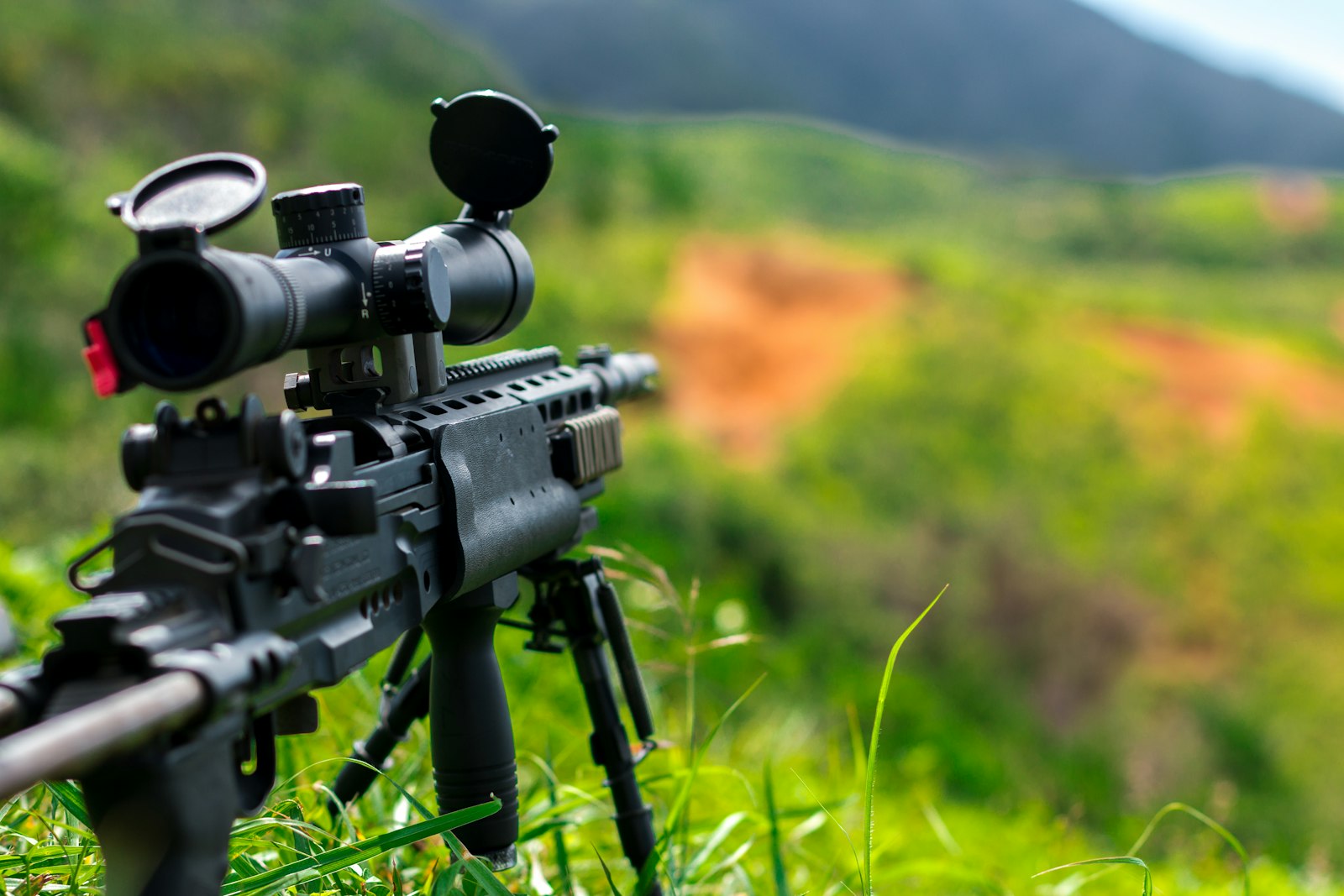
The XM7 is the rifle half of the Army's Next Generation Squad Weapon program. The program covers the rifle, the XM250 automatic rifle that takes over from the M249 Squad Automatic Weapon, and the 6.8mm cartridge both of them fire. A fourth piece, the XM157 fire control optic, sits on top of each weapon. The guns and ammunition are bought from Sig Sauer under one program. The optic comes from Sheltered Wings, the company behind Vortex Optics, under another.
The name has changed twice. The Army called the rifle the XM5 when it chose Sig Sauer in April 2022, then learned that Colt already used the M5 name for one of its 5.56mm carbines. In January 2023 it became the XM7. In May 2025 the Army gave both weapons Type Classification Standard, which meant they met what the service called its "stringent standards for operational performance, safety, and sustainment." The X came off: the rifle is now the M7 and the automatic rifle the M250. Most of the coverage before mid-2025 says XM7, so this guide uses both names.
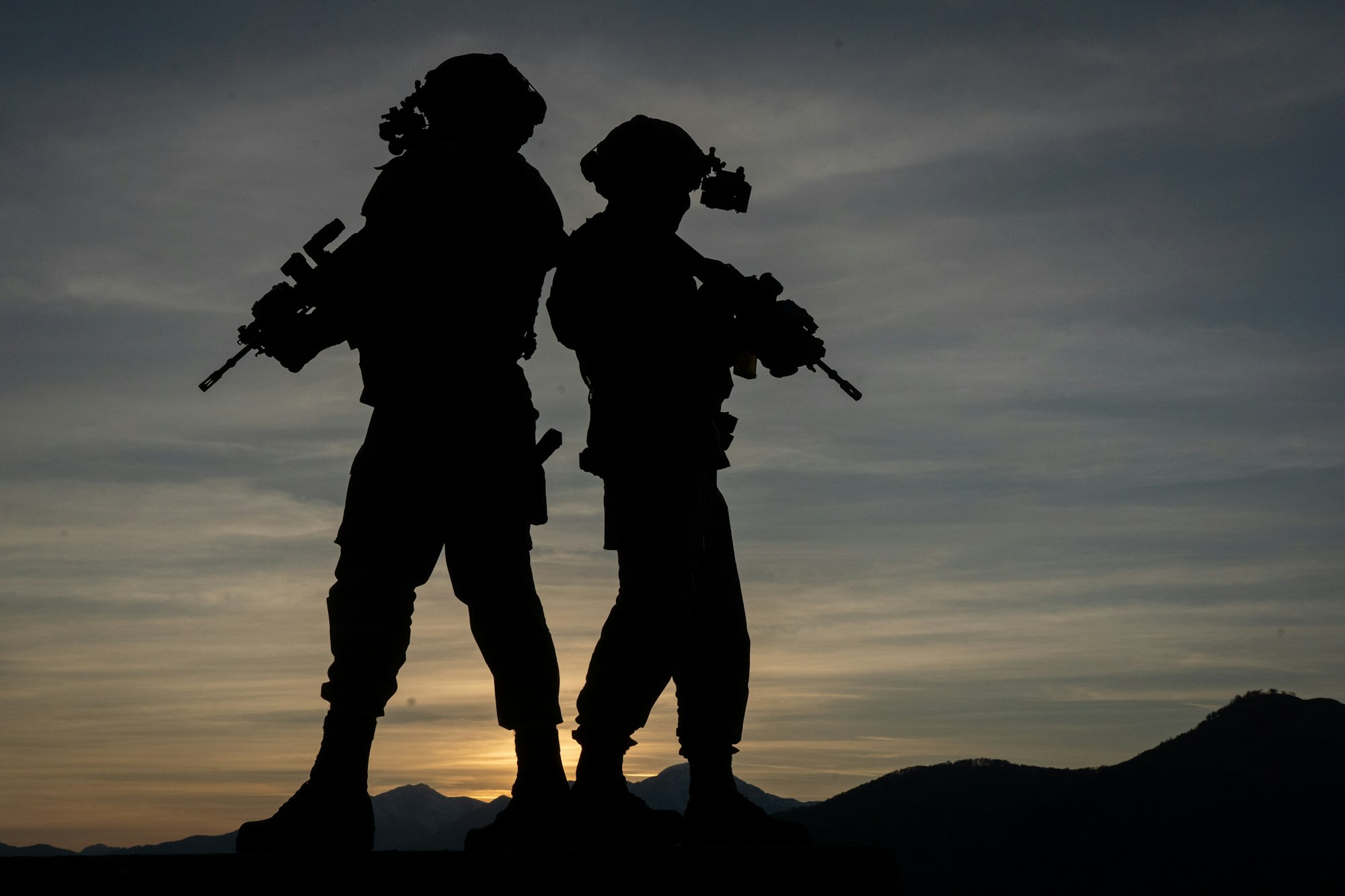
Not every soldier gets one. The new weapons go to the Army's close combat force, which covers infantry, scouts, combat engineers, combat medics, forward observers and special operations troops. When the contract was awarded, Army Times reported that the M4 would stay with general purpose forces for decades. Soldiers outside those combat jobs keep the carbine they have.
Why the Army wanted a bigger round
The M4 and the M249 both fire 5.56mm ammunition. The M240 machine gun fires 7.62mm. The new 6.8mm round sits between the two. The caliber came out of the Army's Small Arms Ammunition Configuration Study, and the worry behind it was body armor: Army Times reported that the push was driven by improved armor among Russian and possibly Chinese troops.
Getting that kind of performance from a rifle takes chamber pressure. Sig Sauer says its cartridge runs "in the 77K PSI range," compared with about 65,000 psi for older rounds, and that the rifle was tested to 125,000 psi. Critics put the working figure above 80,000. Either way it's higher than what soldiers fired before, and the pressure sits behind several of the arguments covered below.
Does it hit harder? The Pentagon's testing office says yes, with limits. It reported that the 6.8mm special purpose round "generally provides increased lethality over M855A1," a 5.56mm round, against the targets it tested. The detailed numbers are in a classified annex.
How Sig Sauer won the contract
The competition took 27 months of prototyping and testing, with hundreds of soldiers, Marines and special operations troops firing the candidates. Three designs got to the late stages. Textron Systems built its entry around cased telescoped ammunition, with a polymer case to cut length and weight. Lone Star Future Weapons offered a bullpup with the magazine behind the grip, the same basic layout as Britain's SA80 service rifle. Sig Sauer's design looked and handled much like the rifles soldiers already knew.
Sig won on April 19, 2022. The 10-year contract opened with a $20.4 million delivery order for weapons and ammunition to test. The company had already won the Army's handgun competition in 2017, so one firm now supplies most of the small arms a close combat squad carries.
The optic was settled first. Sheltered Wings won the XM157 in January 2022, a deal government documents valued at $2.7 billion over 10 years, according to Army Times. Instructors are fans of it. "The optic ensures every soldier has the capability to make first-round hits at distance," Sgt. 1st Class Chuck Riegel of the Army Marksmanship Unit said in an Army release.
Next guide: the M1 Abrams tank
Four decades of upgrades on one hull, and why the Army finally stopped adding weight.
M7 vs. M4A1 in numbers
The Army's published figures for the M7 are 8.4 pounds unloaded with no accessories and 9.8 pounds with the suppressor. Its standard barrel is 15.3 inches. Here is how it lines up against the M4A1, using the Army's numbers where it has given them and the critics' figures where it hasn't.
| Measure | M7 (XM7) | M4A1 |
|---|---|---|
| Cartridge | 6.8x51mm | 5.56mm |
| Barrel length | 15.3 in | 14.5 in |
| Magazine | 20 rounds | 30 rounds |
| Seven magazine load | 140 rounds | 210 rounds |
| Combat weight, per Capt. Braden Trent | About 15.4 lb | About 8.5 lb |
| Unit cost | Under $5,000 with accessories (Army) | Well under $1,000 (Trent) |
The magazine row is the one infantry officers argue about. A bigger round means fewer of them in each magazine, so a rifleman carrying the same seven magazines goes into a fight with a third less ammunition.
Fielding so far
The first unit to get the new weapons was 1st Battalion, 506th Infantry Regiment of the 101st Airborne Division at Fort Campbell, Kentucky. It accepted the rifles, automatic rifles, optics and 6.8mm ammunition on March 28, 2024. Early reviews from the troops were warm. One soldier from the 75th Ranger Regiment, part of the force we compare in our guide to Green Berets and Rangers, said soldiers "absolutely would take this weapon to combat in a heartbeat."
As of 2024 the Army's acquisition objective was 111,428 M7s and 13,334 M250s, according to The War Zone. The weapons reached the Minnesota National Guard's 34th Infantry Division, which trained on the M250 at Camp Ripley in September 2025, and by February 2026 the Army had begun fielding the M7 to the 25th Infantry Division in Hawaii. Defense News reported in October 2025 that a suppressor with a heat shield, better slings and a new buttstock were on the way, all of them changes driven by soldier feedback.
The critics' case
The sharpest criticism came from inside the Army. In May 2025 Capt. Braden Trent, an infantry officer at the Expeditionary Warfare School in Quantico, presented an unclassified student thesis that called the XM7 "unfit for use as a modern service rifle." Working from 23 rifles from the 101st, he reported gouged rifling in barrels past 2,000 rounds, three badly damaged suppressors, snapped charging handles and a magazine release that body armor could bump loose.
His larger point was about the squad in a firefight. Each loaded 20 round magazine adds about 1.25 pounds. Heavier rifles with more recoil, he argued, slow follow-up shots and lower hit rates inside 300 meters, the range where, he said, most infantry engagements happen.
Sig Sauer and the Army pushed back. Sig said barrel life "exceeds 10,000 rounds," against an Army requirement of 5,000, and said it knew of no snapped charging handles. It did concede that out-of-spec magazine release parts had caused magazines to drop, and said those were fixed through the Army's engineering change process. The Army said more than a million rounds had been fired in safety and operational testing with no reported case ruptures, that single barrels had passed 20,000 rounds without losing accuracy, and that each rifle cost "less than $5,000" with its suppressor, sling, magazines, blank firing kit and cleaning kit.
What the Pentagon's testers found
The independent view comes from the Director, Operational Test and Evaluation. Its annual report covering fiscal 2025, released in March 2026, found that soldiers "consistently qualified" with the new weapons and could engage targets at extended distances. It also said the program needed improvement in reliability, safety, how well the weapons fit the soldiers using them, and cold weather performance.
Two findings stood out. In the operational assessment, soldiers reported physical effects from noxious gas coming off the suppressors and worried about how hot the suppressors got after firing. And most M250s fitted with the M157 optic didn't hold their zero, in the operational assessment or in the airborne test. The good news for paratroopers: the testers found the weapons compatible and safe for static line and military free fall jumps.
Get the briefing
We email readers whenever a new weapons explainer goes up.
Why the Marines passed
The Marine Corps ran its own assessment, and in February 2026 it decided to keep the M27 Infantry Automatic Rifle. Lt. Col. Eric Flanagan of Marine Corps Combat Development Command told Military Times the M27 "best aligns with our unique service requirements," citing amphibious doctrine and the need to work with the joint force and allies. The Corps issues one 5.56mm rifle to every Marine, while the Army pairs the M7 with the M250 and its bigger magazine. The Marines say they will "continue to monitor development of the M7 NGSW-R to inform future requirements."
The XM8 carbine and what comes next
The newest turn came in 2026, when the Army added a carbine, the XM8, to the program. Task & Purpose reported in June 2026 that it's more than a pound lighter and 3.5 inches shorter than the M7, with a fixed stock, a softer butt pad and a stiffer handguard, and that it fires the same 6.8x51mm round.
"The production line has changed to the XM8," David Patterson Jr., public affairs director for the Army's Capability Program Executive Ground, told the outlet. The Army hadn't bought any M7s in the fiscal year that began October 1, 2025, and Patterson called future purchases "pre-decisional." Sig Sauer's reply was short: "The M7 remains in service."
So the M4 is still on its way out of the close combat force, but the weapon replacing it in most hands may turn out to be the shorter carbine. The 6.8mm cartridge, the optic and the M250 are common to both paths. For more on how the Army equips its soldiers, see our U.S. Army hub.
Sources
- Army Times: Army chooses Sig Sauer to build its Next Generation Squad Weapon
- Military Times: New name selected for Army's Next Generation Squad Weapon
- Military Times: 101st Airborne first Army unit to field Next Generation Squad Weapons
- The War Zone: Army captain slams new XM7 rifle as unfit, Sig Sauer says otherwise
- The War Zone: Sig Sauer's M7 rifle gets official Army seal of approval
- Defense News: Next Generation Squad Weapon continues fielding, seeing upgrades
- Soldier Systems Daily: DOT&E report on Next Generation Squad Weapons
- Military Times: Why the Marine Corps is choosing the M27 over the Army's M7
- Task & Purpose: The Army's XM8 carbine production